
If you drive about 1,500 kilometers per year with a regular gasoline car, the tax increase means a cost increase of SEK 263 per month, or SEK 3,156 per year. This calculation example from Icabanken is based on an average consumption of about 0.7 liters of gasoline per kilometer.
“The big challenge”
The cost for the same mileage on diesel, with an average consumption of about 0.6 liters per kilometer, will rise by SEK 225 per month, or SEK 2,700 per year.
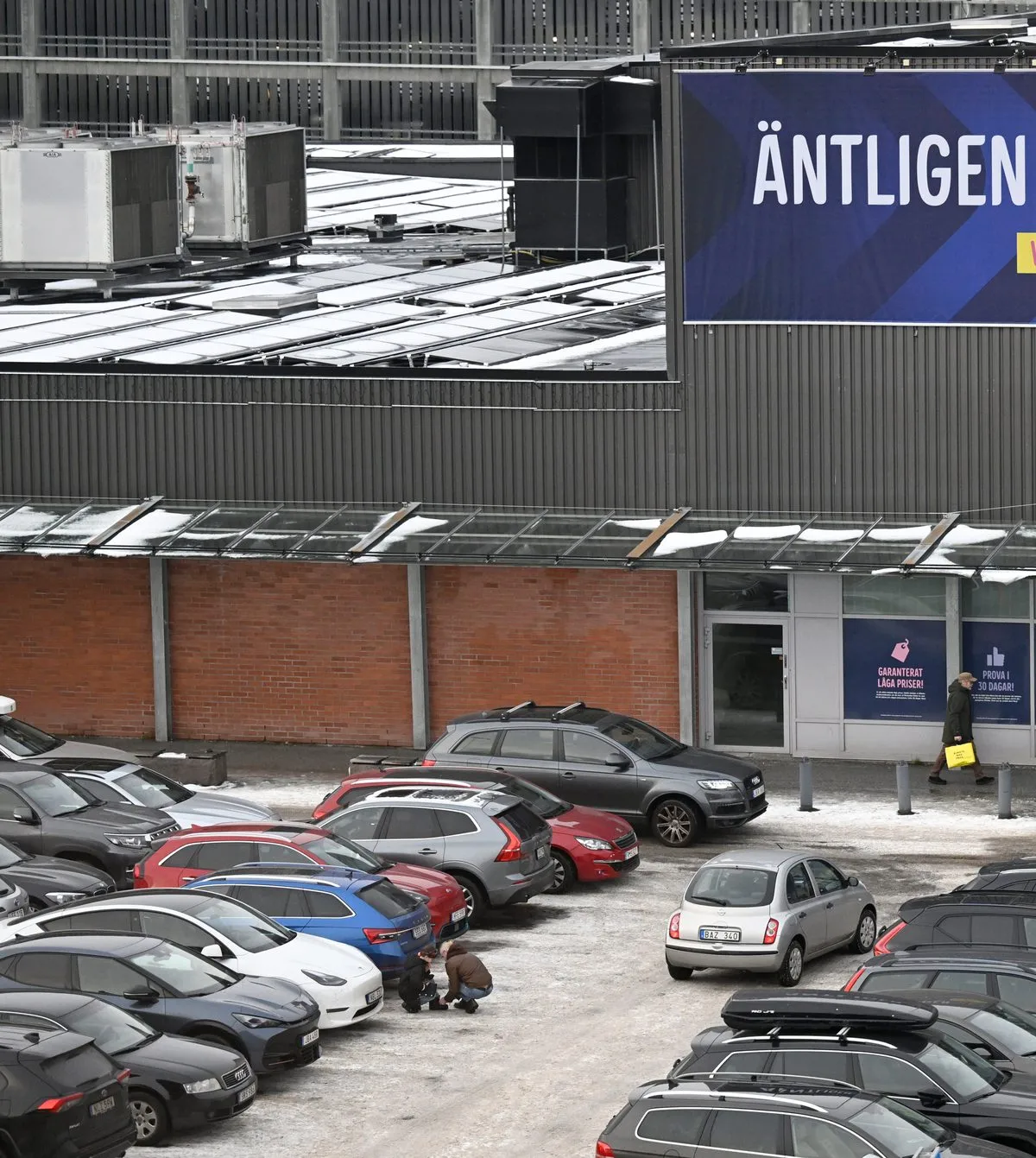
Many households can probably swallow it, in isolation. The big challenge is that it coincides with electricity prices that are hovering around historic records, increased mortgage rates and the fact that the discount on public transport will be abolished at the turn of the year, says Magnus Hjelmér.
There are quite a few things going on at the same time, he adds.
Distressed petrol and diesel drivers can perhaps take solace in the fact that Swedish prices for fossil fuels, despite the surcharge of 3 kronor per litre, will be by far the cheapest in the Nordic countries.
If you look at the price situation in 35 European countries, according to November statistics on the M Sveriges website, the tax increase would make Swedish petrol prices measured in euros the eleventh cheapest on the entire continent. Before the increase, petrol prices in Sweden were the third cheapest, after Kosovo and Poland.
When it comes to diesel prices, the surcharge makes Swedish prices the ninth most expensive in Europe. But it is still cheaper than in Denmark, Finland, Iceland and Norway.
Tax rebate ends
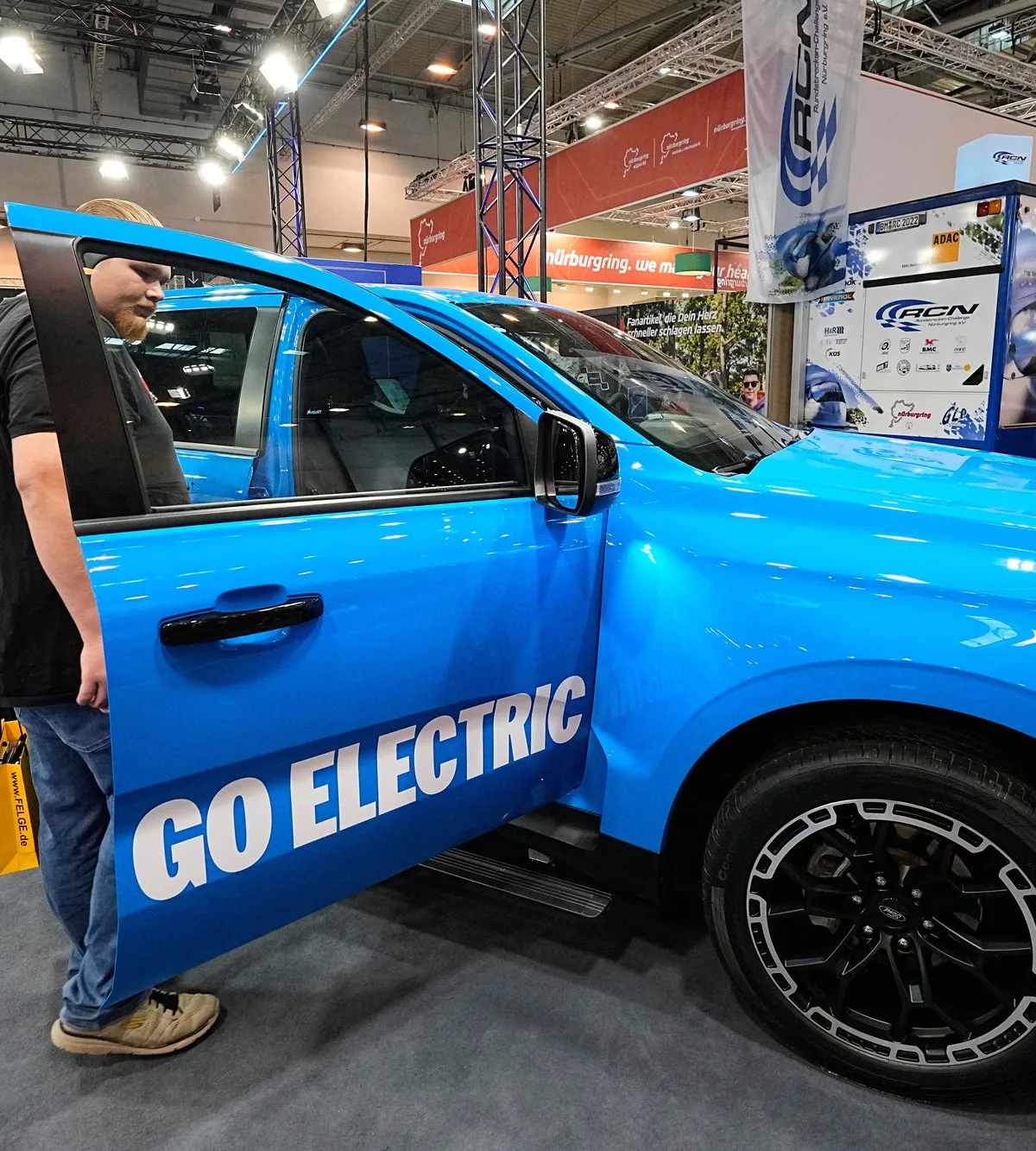
Electric cars probably wouldn't have helped. At least not in southern Sweden. According to standard calculations from ICAbanken, the electricity price shock in October and November there has resulted in even greater cost increases per kilometre than 3 kronor per litre of fuel.
Although the comparison with electric cars is difficult to make correctly. Charging electric cars can be adjusted to spot prices and if it is done at night it does not have to be so expensive.
You don't have to plug in the cable when you get home at 6 p.m., says Hjelmér.
Tuesday's price increase is not actually a tax increase. It is about the end of a tax rebate, a political support measure that was introduced in July.
The tax rebate has reduced fuel costs for the average motorist who drives on gasoline or diesel by approximately SEK 1,100–1,300 over five months, according to Icabanken's calculations.



What do you think?