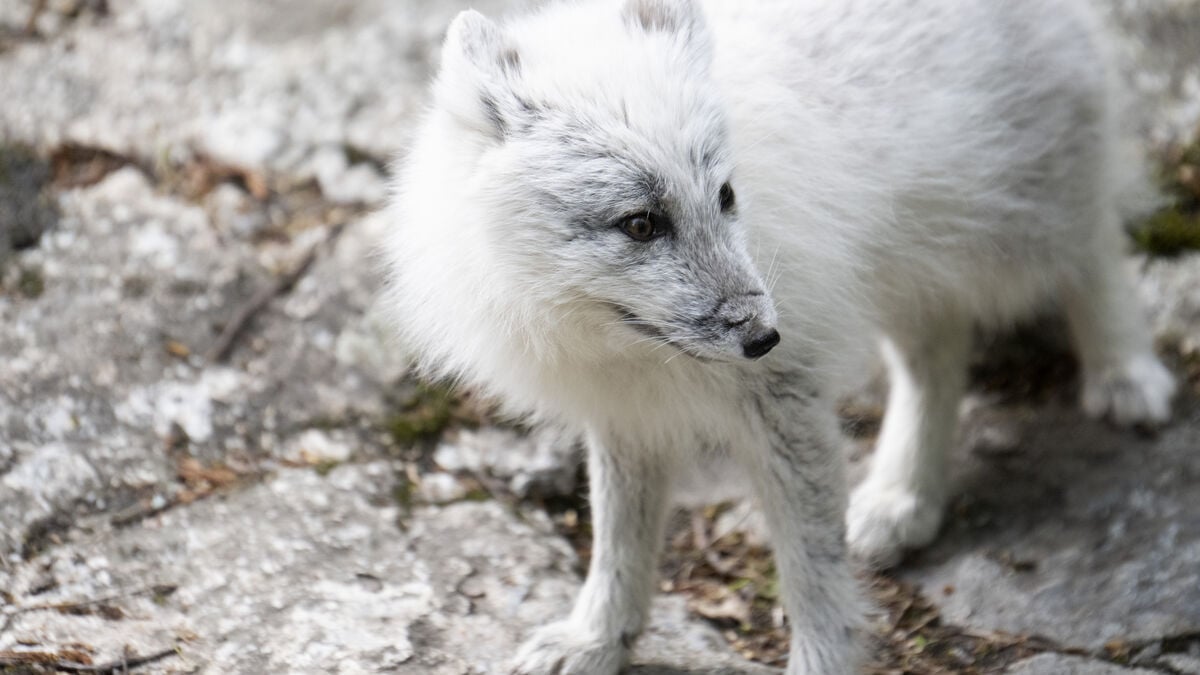
This year's Arctic fox inventory found nearly 530 adult foxes in the three countries. This is a decline from the previous year, when the number of adult animals was estimated at just over 580.
The number of Arctic foxes has increased significantly since 2000, when there were around 40–60 adult foxes.
Several measures have contributed to the growth. Now that the increase appears to have slowed in recent years, continued work is needed to reach a population that is sustainable in the long term, the Swedish Environmental Protection Agency writes in a press release.
"Measures such as feeding at dens and hunting red foxes have contributed to the growth. Feeding evens out the availability of food during years with few small rodents, and red fox hunting reduces competition and disease risks," says Malin Åhl, administrator at the Swedish Environmental Protection Agency, in a comment.