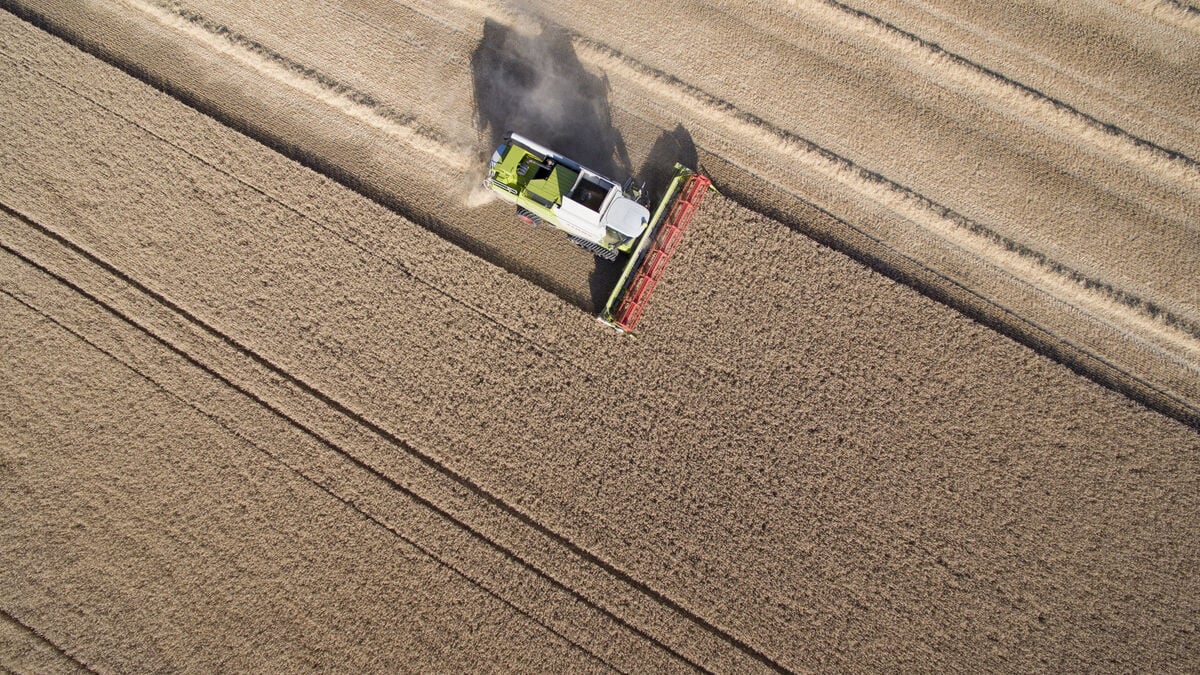
Grain prices are being pushed down by last year's bumper harvest. This makes economic calculations difficult when major winter damage to the autumn sowing must now be repaired at the same time as fertilizer and diesel prices are skyrocketing as a result of the Iran war, according to Johannes Åkerblom.
Die from cold
To find major winter damage to the Swedish autumn sowing, one has to go back to 2010 and 2011, according to Lantmännen - a cooperative owned by approximately 17,000 Swedish farmers, with brands such as Axa and Kungsörnen on store shelves.
"Our assessment now is that in the worst-affected areas in western Sweden, perhaps 20–25 percent of the autumn-sown crop needs to be replaced with spring-sown crops," Åkerblom says about the winter damage.
"Severe cold, no snow cover and strong winds - it becomes like freeze-drying, so the crop simply dies from the cold," he explains.
The autumn-sown crops in Sörmland, Värmland and Närke are also clearly winter damaged, while things look better in Halland and Skåne, according to Lantmännen.
The price of fertilizer is absolutely crucial for grain farmers. It accounts for up to half the cost of producing a hectare of winter wheat, according to Johannes Åkerblom. Another major cost that will now be higher due to the Iran war is diesel, as agricultural equipment largely runs on this fuel.
Affects everything
The price of the fertilizer that Swedish farmers primarily use - mineral fertilizer with 27 percent nitrogen and 4 percent sulfur (NS 27-4) - has skyrocketed by 60 percent since the summer of 2025. Other types of fertilizer have risen in price even more, according to Åkerblom.
Many farmers have already purchased the fertilizer they need for the spring sowing in 2026.
"For Sweden, I have greater concerns about the spring harvest in 2027 than this year's spring harvest," says Åkerblom.
All grain products, such as wheat, barley and oats, are affected.
"Next, it will also hit the animals, because harvests are needed to gather roughage for cows as well as feed grains for pigs and poultry. So in the long run, it hits the entire food system, even if the first blow is taken by crop growers," he adds.
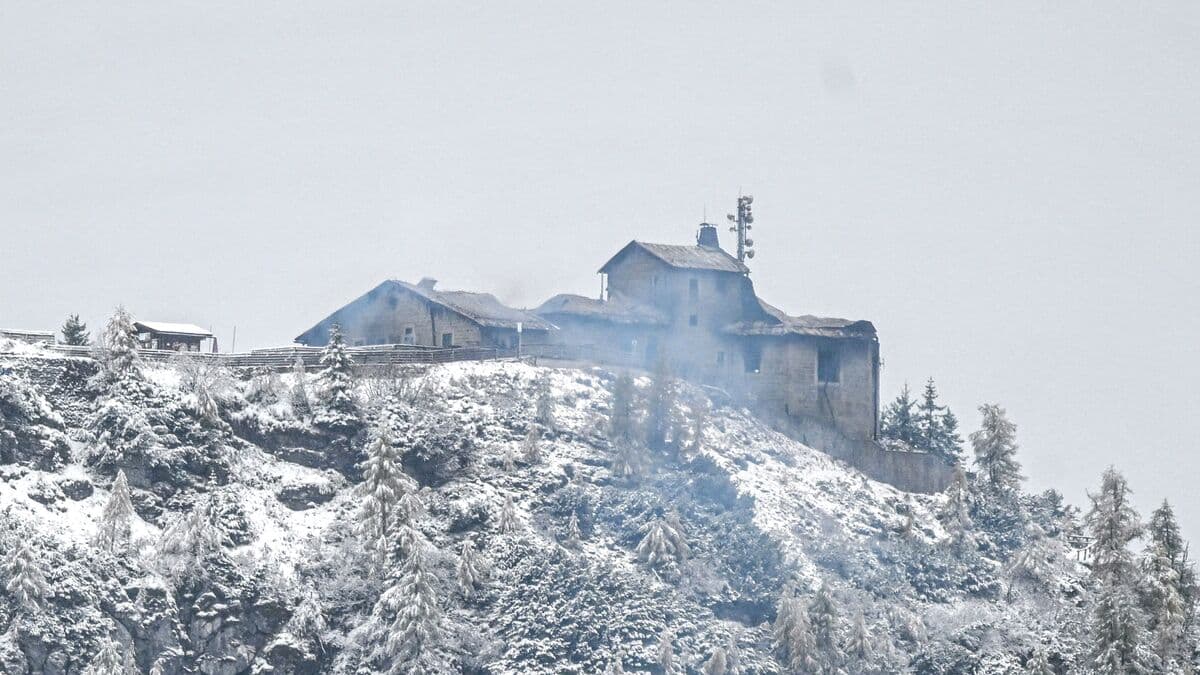
The harsh winter weather – especially in western Sweden – with severe cold, strong winds and a lack of snow cover has freeze-dried an unusually large portion of what was sown in Swedish fields last fall.
For farmers with damaged autumn sowings, there are three options:
Either re-run the entire autumn sowing and establish a new crop.
Option two is a compromise, where damaged areas are filled with new crop.
A third alternative is to accept what is left of the thinned autumn sowing to avoid the extra costs that arise if you go out and sow again in the spring.
Source: Lantmännen