On Sunday, the World Health Organization (WHO) declared an international health emergency due to the Ebola outbreak in the Democratic Republic of the Congo and Uganda.
"It shows that the organization takes it very seriously," says Helena Nordenstedt, a doctor and researcher at the Karolinska Institute who has researched Ebola.
She has worked with Ebola outbreaks in West Africa and has seen the disease up close. One difference is that the type of virus behind the current outbreak, the Bundibugyo virus, is unusual. There have only been two known outbreaks of this before, in 2007 and 2012. Therefore, there is a lack of a vaccine and specific treatments. The primary focus now is to treat the dehydration that comes from diarrhea and vomiting.
Extensive knowledge
"But previous outbreaks have still taught us a lot about how to handle outbreaks. There is a lot of experience and knowledge among local health authorities, WHO and the African Union Commission on Disease Control, among others. It involves everything from providing information to finding the right people and isolating the sick," she says.
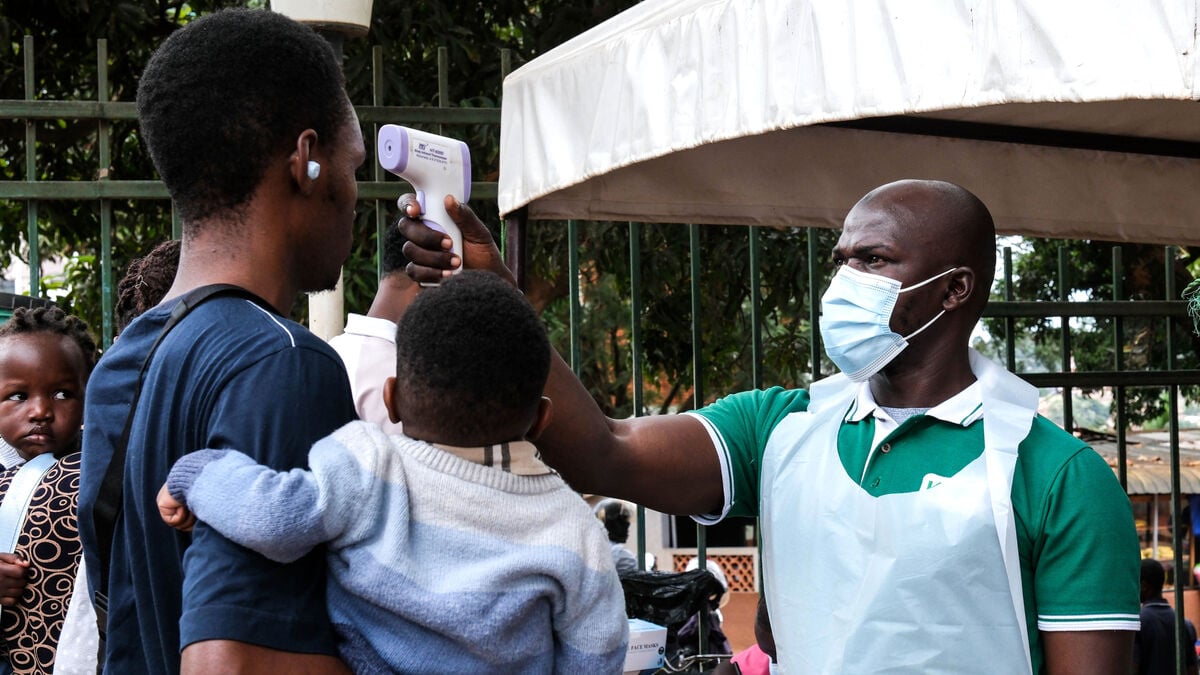
For the Ebola virus to spread, contact with bodily fluids from someone who is already sick is required. But because it is a dangerous disease, healthcare workers need to work with protective equipment. There are currently around 250 suspected cases and 8 confirmed deaths.
A major challenge is that the outbreak is partly occurring in a part of the country with ongoing conflicts and where residents have low trust in authorities and healthcare. Trust and information among the local population are needed for infection-control measures to work.
"The fact that the infection was not detected earlier is probably because those who fell ill did not understand that it was Ebola. The first symptoms are vague and reminiscent of influenza."
"It can also be about avoiding healthcare because you don't trust it," says Nordenstedt.
No need to worry here
But there is no reason to believe that the infection would spread across the world and to Sweden.
"No, there is no need to worry here. Individual cases can spread, but where there is modern healthcare, infection is stopped quickly and effectively."
The focus is now on quickly researching vaccines and treatments.
"During the outbreak in Uganda a couple of years ago, involving the Sudan variant of the virus, vaccine and drug candidates were available after a week. It may take longer now because there has not been as much research on the Bundibugyo variant, but this outbreak will also come to an end," says Helena Nordenstedt.
Ebola virus is an RNA virus in the filovirus family that causes hemorrhagic fever. There are six variants of Ebola virus. Four of these cause disease in humans: Zaire virus, Sudan virus, Taï Forest virus and Bundibugyo virus.
Bundibugyo virus is behind the current outbreak in the Democratic Republic of the Congo. There are no vaccines or specific treatments against it, which makes the situation extra challenging. There are approved vaccines against Zaire virus.
Ebola virus is transmitted between people through bodily fluids such as saliva and blood. Sexual transmission can also occur.
Infected people become contagious only when they develop symptoms and infectiousness increases during the course of the disease. The incubation period is 2 to 21 days.
The illness occurs quickly with flu-like symptoms such as high fever, headache, sore throat, gastrointestinal symptoms and muscle pain. At the end of the course of the disease, bleeding may occur on the skin and in internal organs.
The mortality rate is estimated to be 50–90 percent in outbreaks in affected African countries. With access to adequate intensive care, the mortality rate is likely to be significantly lower.
The natural host for Ebola virus is believed to be bats. However, the route of transmission is usually indirect, via handling raw meat from other infected animals.
Source: Public Health Agency of Sweden, CDC