He appeals primarily to right-wing voters, many of whom are critical of agreeing to various types of Israeli concessions to Hamas in Gaza, says Persson, associate professor of political science at Linnaeus University.
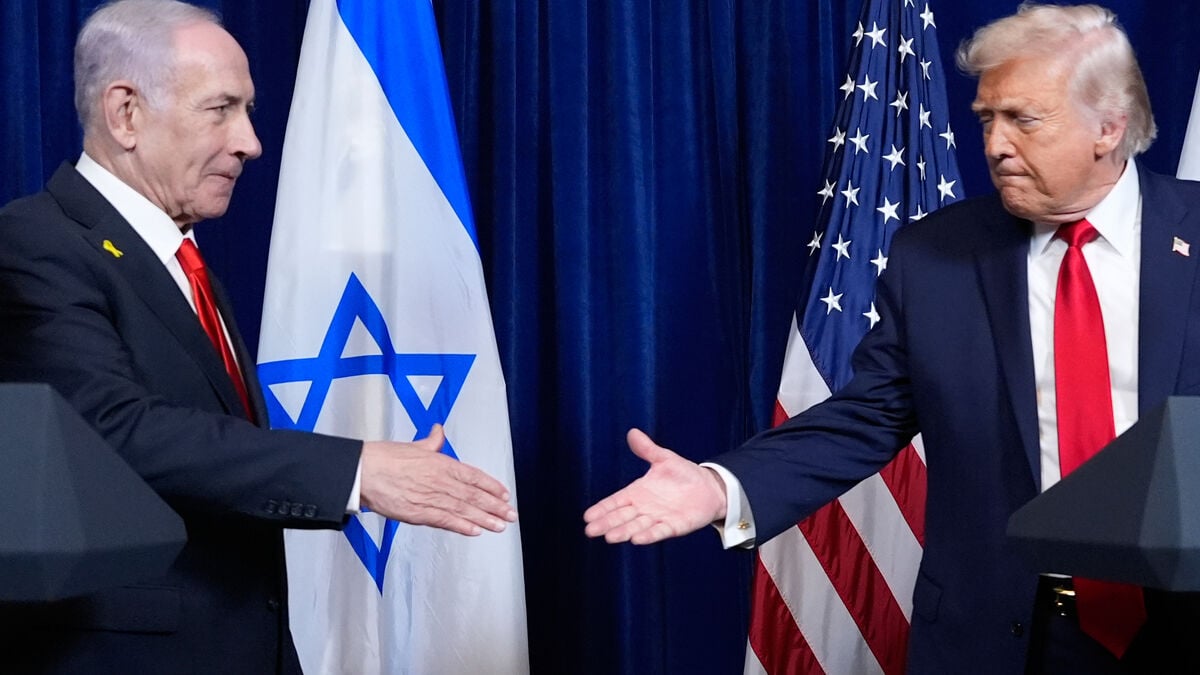
At a cabinet meeting on Sunday, Netanyahu announced that he was rejecting the 15-point document presented by Donald Trump's peace council, while also stating that Israel will not withdraw its forces from Gaza until Hamas is completely disarmed.
The White House has not yet commented on Netanyahu's remarks.
This could indicate that Netanyahu's public statement is coordinated with Trump, says Anders Persson.
No backlash against Trump
Last October, Trump presented a two-phase peace plan to reach a broader ceasefire agreement in Gaza. The plan is the only available diplomatic solution on the table, Anders Persson emphasizes.
However, Netanyahu's rejection of it does not necessarily mean a setback for Trump's peace council.
The last word has not been said on Gaza yet. Israel has shown the US that they have compromised on other points, says Persson.
Small risk of war
He points out that Netanyahu has accepted other parts of the Gaza plan, such as fewer attacks, the reconstruction of Palestinian areas in Rafah, and the presence of international security forces in Gaza.
At the same time, Sunday's announcement could lead to diplomatic work coming to a halt if Trump and Netanyahu do not move closer together.
Persson considers the risk of a return to full-scale war in Gaza to be small, but he does not rule out that the attacks could be escalated.
This is Netanyahu's offer right now, but it could very well change.