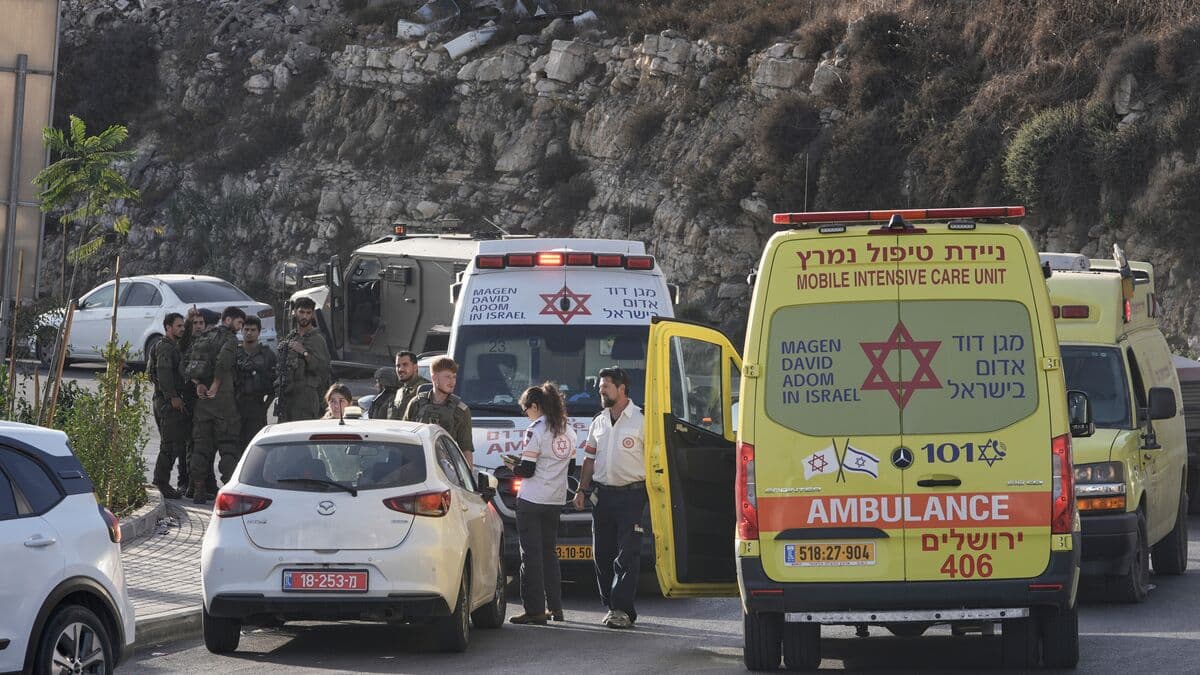
At 7 a.m. local time in Sweden, the first reports of explosions came in the capital Tehran. Israel then announced that it had launched a "preemptive attack" against Iran.
President Donald Trump later confirmed that the United States would also participate. In a recorded speech, he offered immunity to Iranian soldiers and police who lay down their weapons and called on the Iranian people to take power.
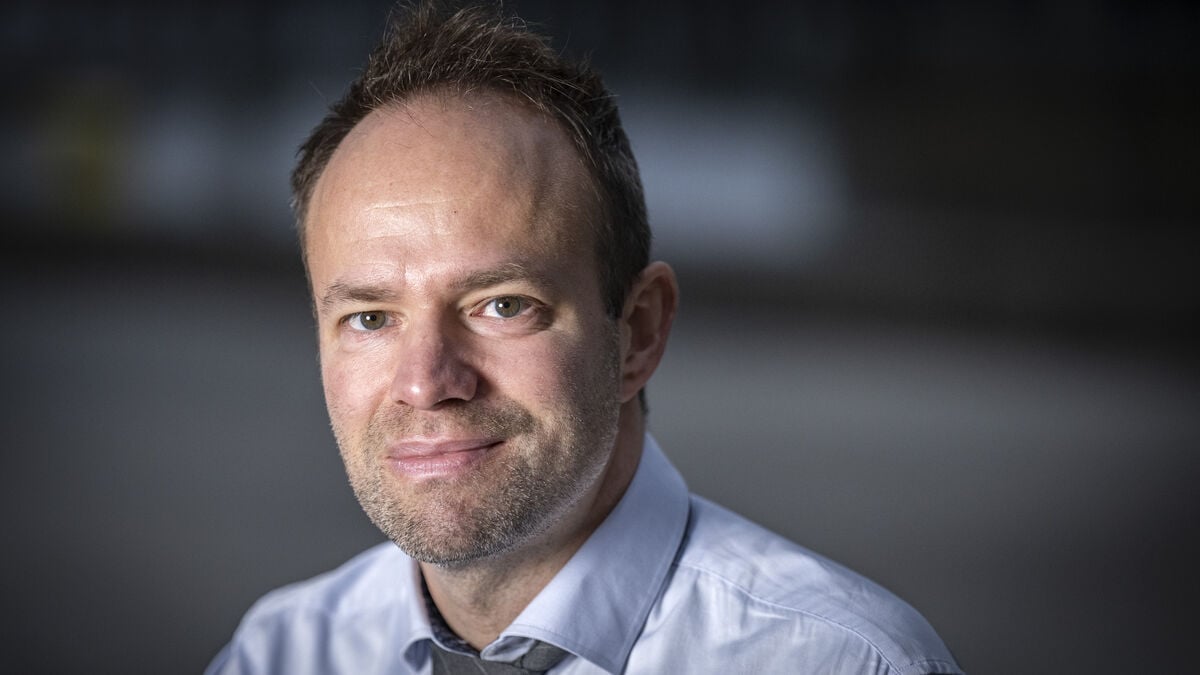
The goal is regime change, without a doubt, but research offers no clear example that just an air campaign can lead to regime change, says Anders Persson, associate professor and researcher at Linnaeus University.
Since mid-January, the United States has built up its largest military presence in the Middle East since the 2003 invasion of Iraq. However, a ground invasion is not an option, according to Persson.
It looks like Trump wants the Iranian people to be his ground troops.
“Big toolbox”
Another lesson from the research - from Vietnam, Afghanistan, Iraq - is how difficult it is to control developments in other countries once war operations have begun. Pandora's box is wide open, he continues.
What does Iran have to fight back with?
The common expert view is that Iran is weakened after the war this summer, and the same applies to its proxy network, but it has a large toolbox at its disposal.
This includes rocket attacks against Israel and American troops in the region, attacks on shipping - and the ability to stage terrorist acts in other countries.
I am sure that the threat perception in Sweden has increased with Jewish and American targets. The surprise factor is also present on the Iranian side.
According to the political scientist, Donald Trump's Achilles heel is domestic opinion, which is strongly critical of American military involvement in Iran.
That means he has to show success quickly. Otherwise, public opinion will become even more critical and perhaps define his second term. But Trump is looking to fry the big fish here, and go down in history as the one who brought down the mullahs' regime.
Iran, says Persson, would be wise to ensure that it becomes a protracted conflict.
“Blinking red”
On Friday evening, the mediating country Oman made hopeful statements about a breakthrough in the nuclear negotiations between Iran and the United States.
But canceled flights, travel advisories, recalled embassy personnel, troop movements, Israeli silence and Donald Trump, who has expressed dissatisfaction, have pointed in the opposite direction, says Anders Persson.
All indicators have flashed red.
Background: One year of negotiations
In March 2025, US President Donald Trump sent a letter to Iran's Ayatollah Ali Khamenei to open new negotiations on Iran's nuclear program. A month later, indirect talks began, but five meetings failed to produce results. Iran announced in June that a third facility would be commissioned.
On June 22, the United States entered the war between Israel and Iran and bombed the three nuclear power plants.
In September, previous UN sanctions against Iran were reimposed. The economy deteriorated and popular protests erupted across the country before the turn of the year. The US suspended contacts with Iran and Trump said he was prepared to intervene on the side of the protesters when thousands were killed, but this did not happen.
At the end of January, US military forces began to gather in Iran's vicinity on an unusually large scale. New negotiations began on February 3.