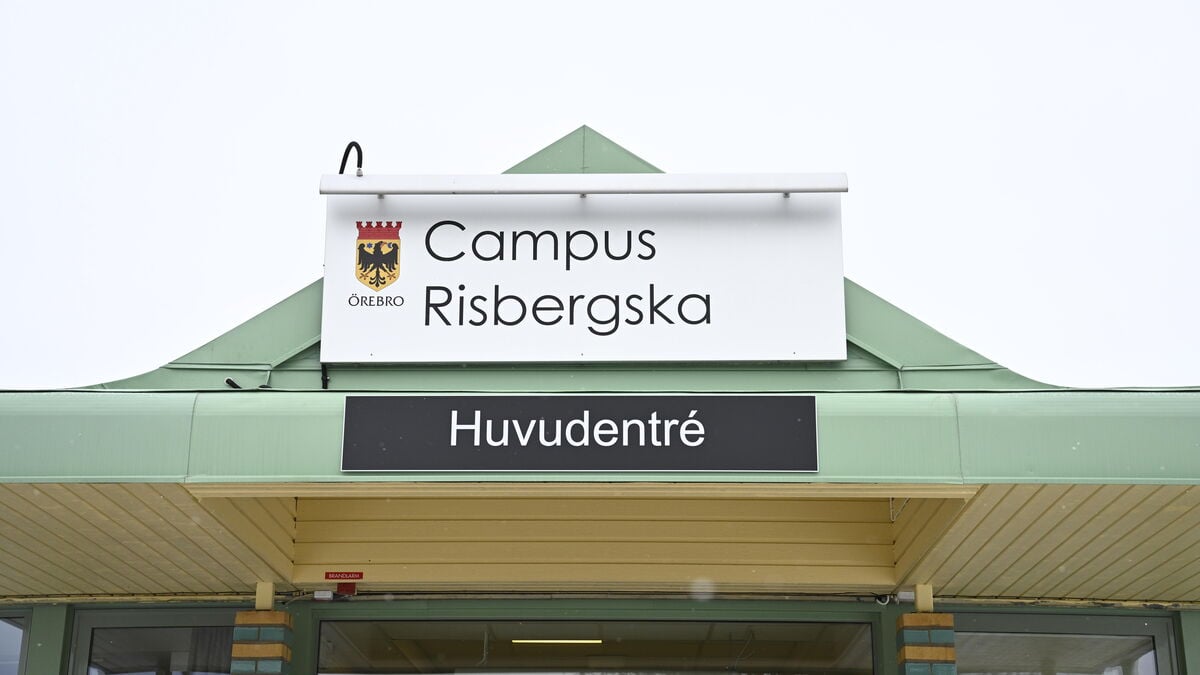
The attack on Campus Risberska in Örebro in February last year, where ten people were murdered and six injured before the perpetrator took his own life, is described as the worst mass shooting in Swedish history.
Several other agencies have conducted evaluations, including the police and the Disaster Medical Center.
We see some of the same things that emerged in the other evaluations, says Håkan Lenhoff, evaluator at MCF.
The police's quick response, and the school's previous evacuation drills, likely saved lives. But cooperation is needed between the various agencies involved, according to the report.
More exercises
Among other things, the emergency services need to practice more jointly on how to handle situations with ongoing deadly violence.
It is already being done, but we want it done to a greater extent, says Håkan Lenhoff.
He notes that the exercises are needed, among other things, to improve the ability to quickly treat injured people.
The evaluation also recommends that the government appoint a body with overall responsibility for safety in public spaces, something that is lacking today.
Clearer division of responsibilities
Another conclusion is that the division of responsibilities in subsequent crisis management needs to be clarified. This is necessary so that people in need of support are properly channeled at an early stage.
Both the region and the municipality have responsibility for crisis support, and it has also become clear in other events that we need to work on drawing that line, says Håkan Lenhoff.