After a night meeting that lasted several hours, it was announced that the European Parliament and the EU member states had reached an agreement. The deal, which has been called by many “the agreement of humiliation,” means in practice that the United States will impose a 15 percent tariff on most European goods. In return, the EU will remove tariffs on American industrial goods, among other things.
"This is not a dream deal from our perspective. We will get the highest tariffs in 85 years. But the alternative is even worse," said Foreign Trade Minister Benjamin Dousa (M) before the agreement was finalized.
Necessary settlement
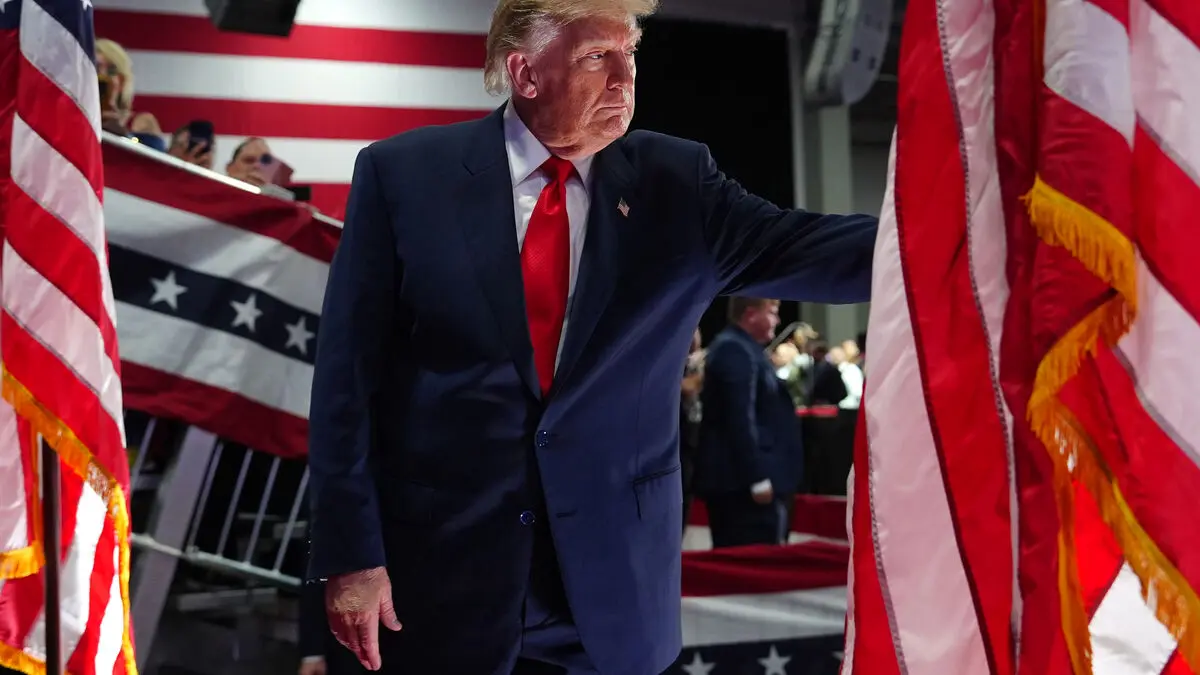
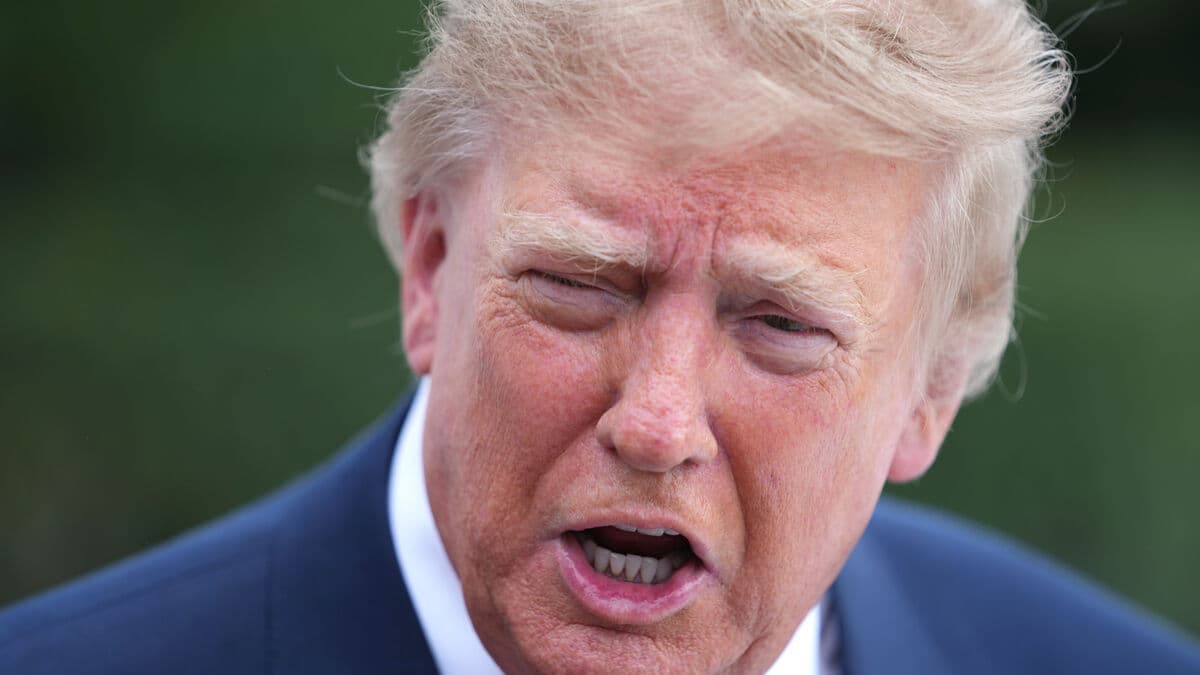
MEP Karin Karlsbro (L) is the vice-chair of the Parliament's Trade Committee. She believes that the agreement was absolutely necessary.
"Both to secure trade with the US under President Trump and to avoid a trade war," she writes in a comment.
"This means, among other things, that if President Trump imposes new tariffs on the EU, the agreement will fall. Then it will no longer apply."
For Swedish consumers, the elimination of tariffs on certain American goods could, in theory, mean lower prices, unless, for example, American companies choose to raise prices anyway.
The higher US tariffs, however, are hitting European companies that target the American market. One such company is Teko Tryck in Sölvesborg. The company manufactures printed dishcloths and saw a major boost during the pandemic. Sales are now around 5–6 million dishcloths each year, a large part of which is targeted at the American market.
It is, of course, good to know what to expect. Then the question remains what will happen with China and tariffs - will it be a competitive advantage or disadvantage for us? It has a very big impact, says CEO Johanna Olofsson to TT.
Look away
According to the CEO, Teko Tryck had already tried to move away from the American market before the agreement was finalized.
We have tried to enter other markets, and we see, for example, that we have grown toward European customers.
However, the issue of US tariffs is only part of several challenges facing the company right now. Rising energy and freight prices are also hitting the market.
Our suppliers of raw materials are raising their prices and shipping costs have increased because a lot is exported, which makes it very expensive. A dishcloth cannot cost just any amount.