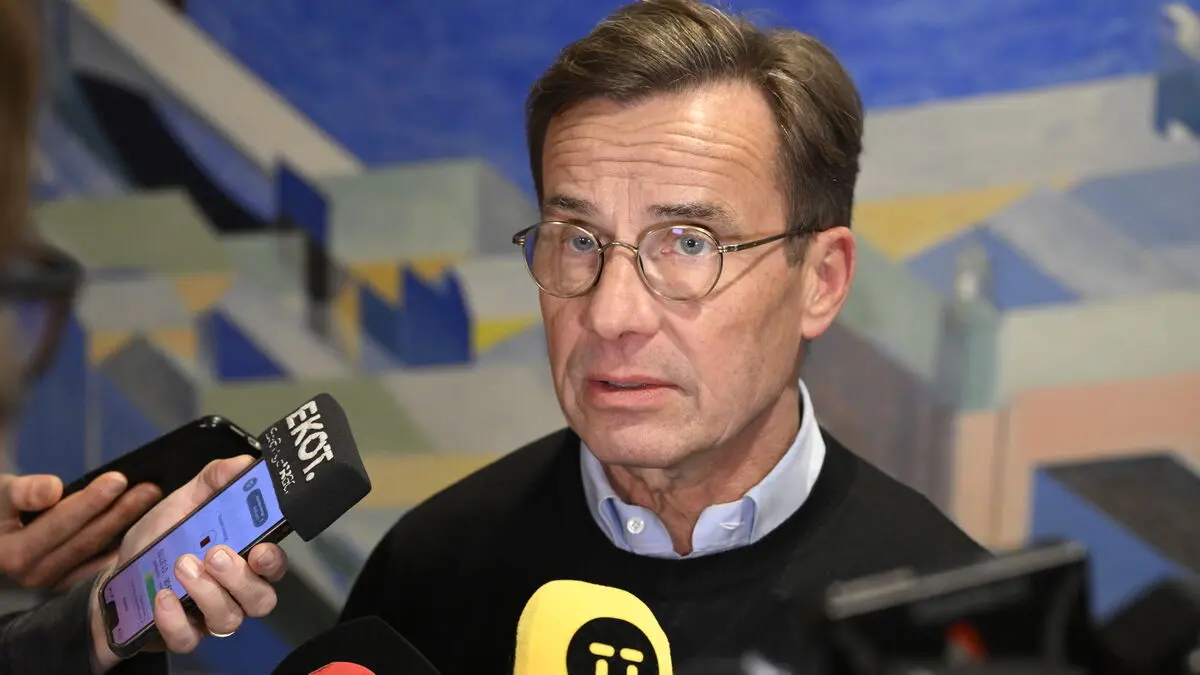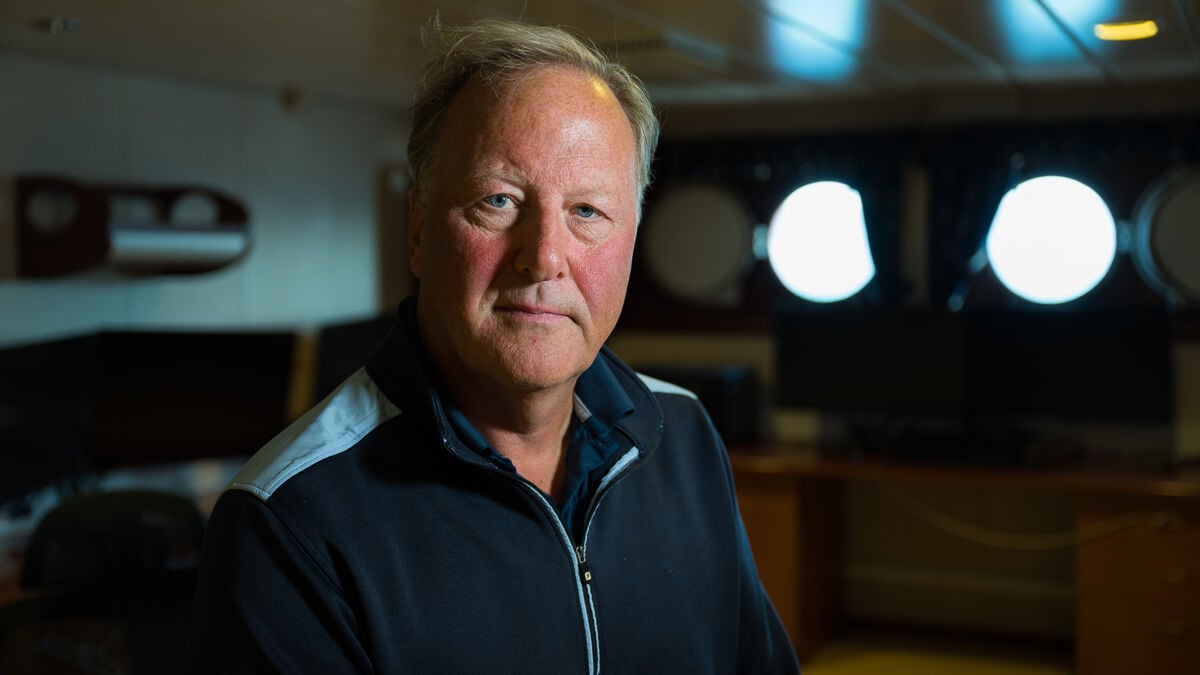
During the new investigation, Urban Lambertsson has represented the survivors and observed the work on site.
Now he questions some of the accident investigation boards' conclusions. Not the ones that the holes in the Estonia's hull were caused by contact with the bottom, he has no objection to that.
It is the assessment of Estonia's seaworthiness, which he does not think goes far enough when it points out "latent structural deficiencies".
But what the hell, she was badly designed from the start. "Not known among interested parties," they say. But isn't the shipyard an interested party?
“Torturous years”
The investigation points to a chain of shortcomings that led to the accident – the regulations, the design and the absence of inspections. Urban Lambertsson had hoped for something clearer.
There is no accountability. Those of us who are affected will just have to live with the history books. "Damn, you were unlucky."
Jonathan Lindström, who lost both his parents in the disaster, however, thinks that the accident investigation boards have done a good job.
"It's been agonizing years while we've been doing this. I'm very glad we've come this far, that the conspirators can no longer continue to wreak havoc without resistance," he says.
“On the outskirts again”
It was after a television documentary in 2020 that it was decided to reinvestigate the sinking of the Estonia. Unnecessarily, according to Lindström.
The new accident investigation was based on Henrik Evertsson's so-called documentary. But there was no real need for it. The JAIC investigation showed with all clarity exactly why the ferry sank and how to fix it in the future, he says.
Conspiracy theories about the sinking will also exist in the future, Lindström believes, but without having as much influence.
Now we are back to them being marginalized. Most societies have to deal with these types of figures, but now they are on the fringes again and that is very nice. Now I hope that people can be left in peace.