Iran has blocked the Strait of Hormuz in response to Israeli and US attacks that began on February 28, cutting off critical energy supplies to Asia. Several countries in the region have taken action: Thailand's government has urged authorities to turn down air conditioning to save energy. Sri Lanka has declared Wednesdays public holidays and introduced fuel rationing, according to the BBC. Several countries have urged employees to work from home to reduce their commute.
Could affect Sweden
The global supply of energy is decreasing, and this could affect Sweden, says André Månberger, researcher in energy systems at Lund University.
"First of all, prices are rising, but there will also be a reduced supply. If this continues for a long time, there will be a reduced amount of energy," he says.
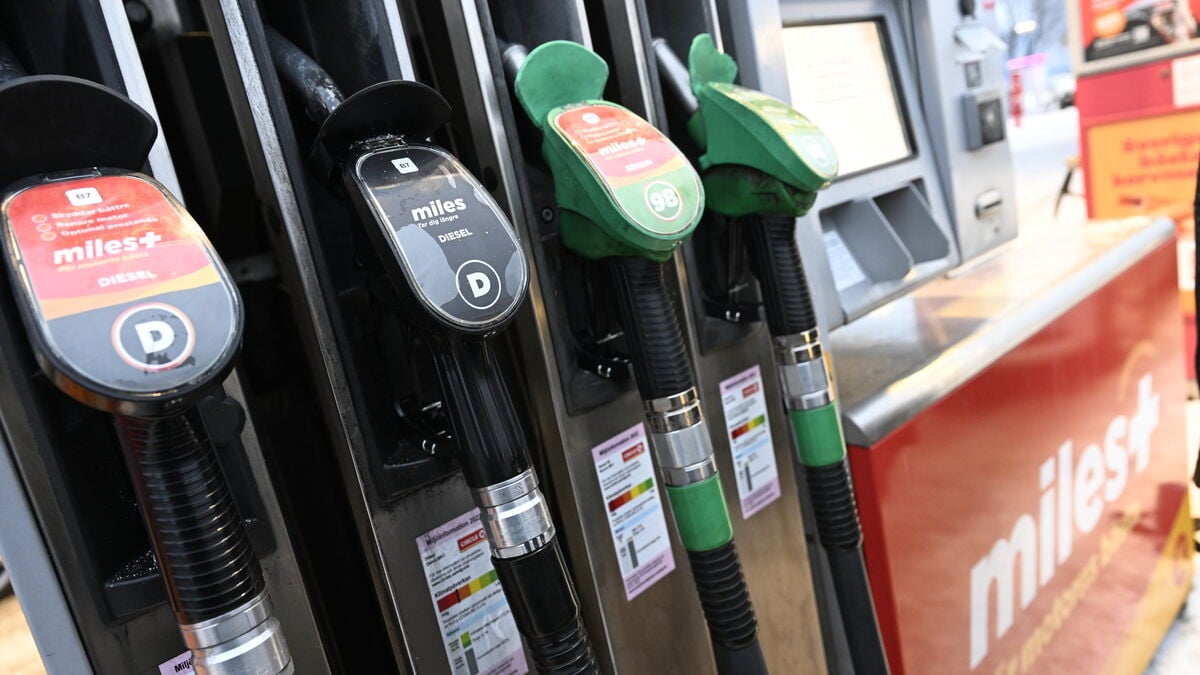
At the moment, there is no shortage of oil and fuel in Sweden, according to the Swedish Energy Agency.
"This may change in the future, as it is only in April that missing deliveries from the region can be noticed on the European market," the authority's press officer, Ola Westberg, writes to TT.
Crisis meeting in Brussels
A letter from Energy Commissioner Dan Jørgensen urges EU countries to consider measures to voluntarily reduce energy demand, "especially in the transport sector." The letter came ahead of an extraordinary digital meeting of EU energy ministers on Tuesday afternoon.
"There is no universal solution. But it is clear that the more we can do to save oil, especially diesel and jet fuel, the better it is for us," Jørgensen said at a press conference after the meeting.
"We are in a situation that could get worse and where it is truly necessary to reduce demand."
New support measures are also expected from the European Commission, as early as Wednesday.