More than 5,000 infections and nearly 2,400 deaths had been recorded as of Sunday, according to the AP news agency. This represents a mortality rate of almost 48 percent.
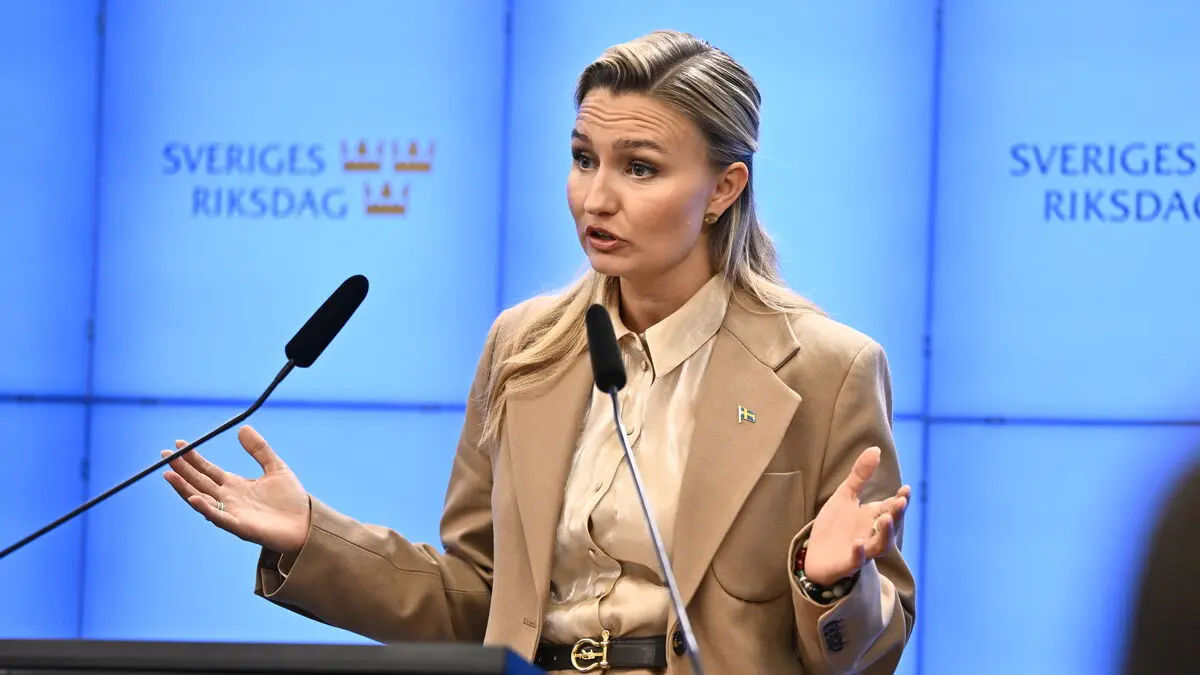
It is very alarming based on how it is developing, says von Schreeb, who works at the Karolinska Institute and has been on site during previous Ebola outbreaks.
The current outbreak, caused by the unusual Bundibugyo variant, has infected and killed people at a faster rate than any previous Ebola outbreak. Compared with the largest outbreak to date, in West Africa from 2014 to 2016, the dreaded disease is now spreading three times faster. Johan von Schreeb explains this by a catastrophic cocktail of intractable challenges.
It's about lack of resources, conflict areas and poverty, as well as poor diagnostic capabilities for Bundibugyo, he says.
Went under the radar
There is no vaccine or specific treatment for the current virus variant. However, two new, rapidly developed vaccines are currently being tested on humans.
The virus, which causes haemorrhagic fever, is believed to have been circulating in eastern Congo for months before the outbreak was confirmed in May. Because of the unusual variant, early cases went under the radar or were misdiagnosed.
Overall, the symptoms of Ebola are very similar to malaria or typhoid fever; there are headaches, some diarrhoea, muscle aches and fever, says von Schreeb.
The virus response is being complicated by the unrest that has plagued eastern Congo-Kinshasa for decades, where bloody battles over the extensive natural resources have forced hundreds of thousands to flee.
Reduced aid
The movement of people makes it difficult to track and monitor the virus - and to get information out. Added to this is scepticism towards authorities and an already faltering healthcare system, as well as widespread disinformation, creating what Johan von Schreeb calls a “perfect storm.”
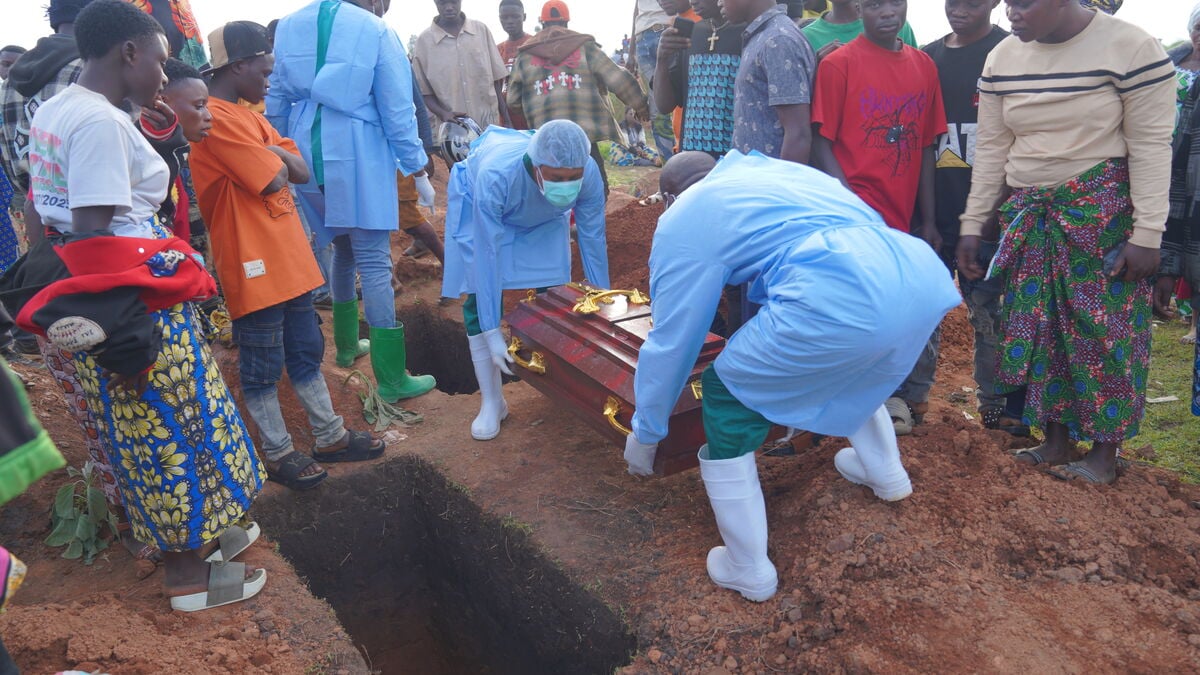
Winning the trust of the population and getting them to understand the seriousness of the situation, that they must protect themselves and be careful - especially at funerals - is what has proven to be both the most difficult and the most crucial in these situations.
It's almost impossible in conflict areas like this, he says.
In addition, cuts in aid from the outside world - not least the United States - have hit hard. In July, the WHO said it had received less than half of the funding needed to tackle the Ebola outbreak.
Ebola virus is an RNA virus that causes haemorrhagic fever. There are six variants of Ebola virus - four of which cause disease in humans.
The virus variant Bundibugyo is behind the current outbreak in Congo-Kinshasa. There are no vaccines or specific treatments for it, but development is underway.
Ebola virus is transmitted between people through bodily fluids. Sexual transmission also occurs. The illness develops quickly, with flu-like symptoms such as high fever, headache, sore throat, stomach and intestinal symptoms and muscle pain. At the end of the course, bleeding can occur on the skin and in internal organs.
Mortality rates are often estimated to be as high as 50-90 percent in outbreaks in affected African countries. With access to adequate intensive care, mortality rates are significantly lower.
Source: WHO, Swedish Public Health Agency