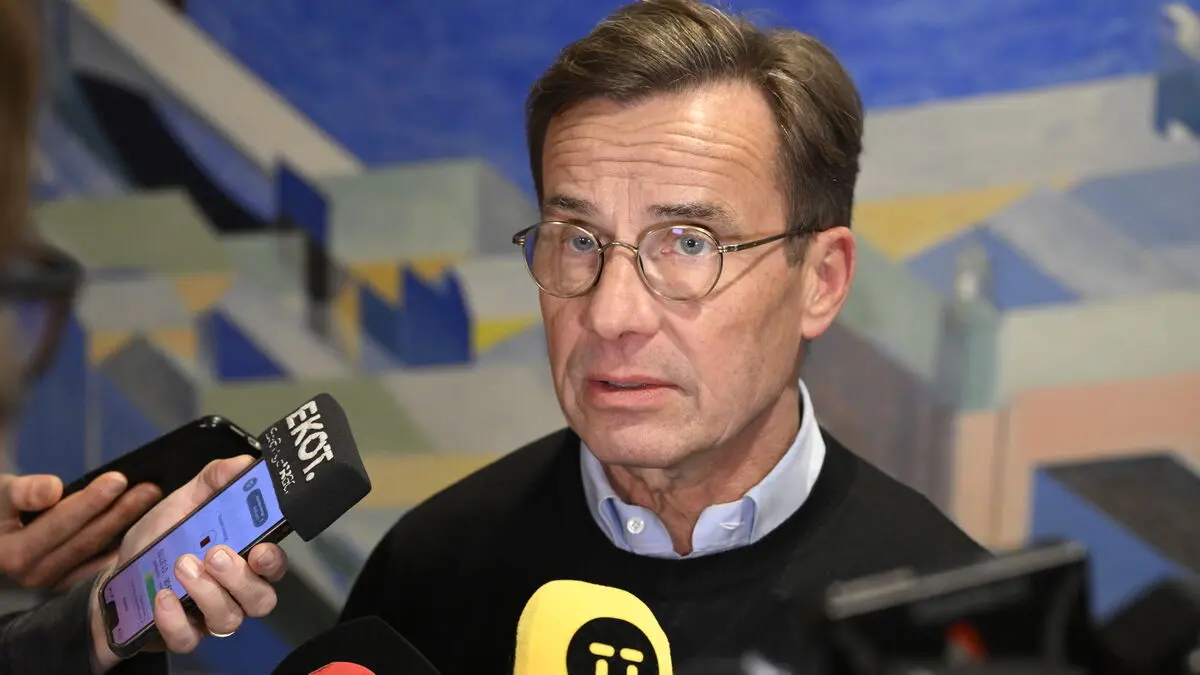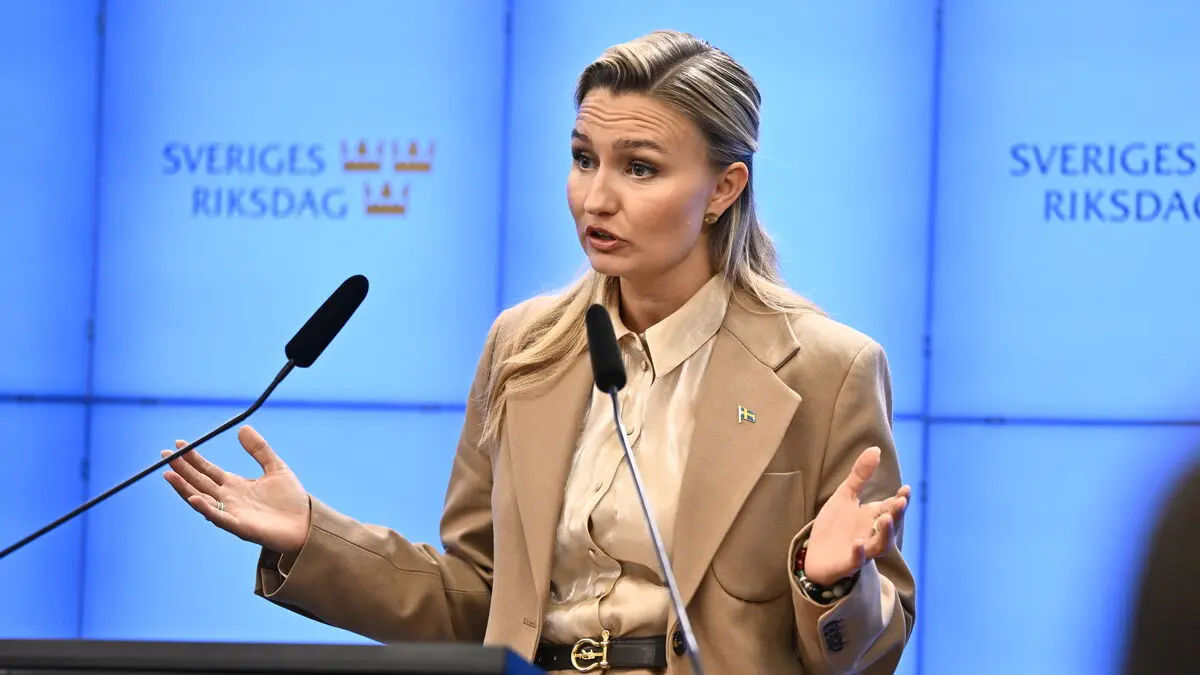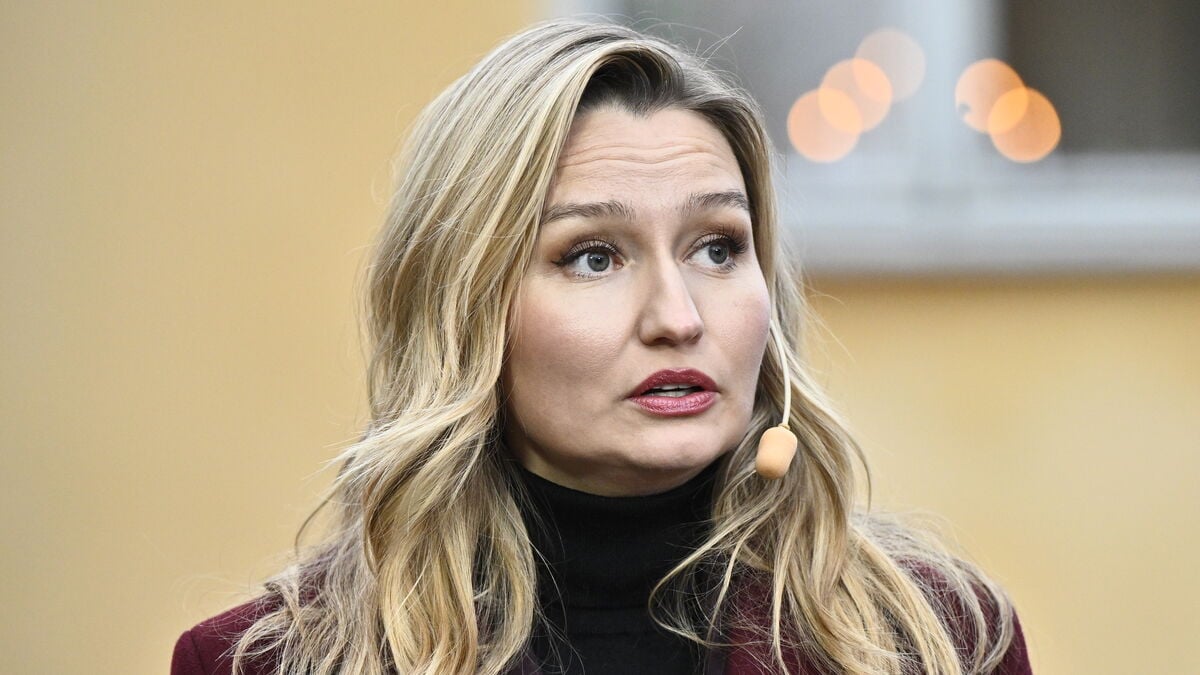
The Minister of Energy and Industry has pushed for Sweden to climb the international rankings of mining nations.
But we should not approach mining issues in a way that causes us to lose popular support. This is needed in a situation where Sweden as a whole needs to mine more and faster, says Ebba Busch.
Massive criticism
This summer, the municipal veto on uranium mining will be lifted. This has led to massive criticism from the municipalities where mining could be an option.
On Wednesday, the government's response came to calm the concerns and give the municipalities concerned influence - a rapid investigation was set up to develop a new municipal veto for mining in alum shale.
It is precisely in alum shale that the largest deposits of uranium are found, but the presence of, for example, vanadium, nickel, molybdenum and several rare earth metals has primarily attracted the interest of mining companies. These metals and minerals are needed for the manufacture of batteries and other products important for green technology and energy.
Few say yes
Will there be any mining at all in alum shale if it requires municipalities to say yes?
Given the great concern and strong resistance we have seen in many of these places, I think few will say yes, says Ebba Busch.
She mentions places like Dorotea, Arjeplog, Östersund, Falköping and Skövde.
So how is the extraction of rare earth metals going?
Sweden still has good opportunities to obtain metals and rare earths needed for the new industrial wave, says Busch.
The mining organization Svemin doesn't believe so.
“It will broadly discourage investments in exploration and mining development in Sweden,” says Maria Sunér, CEO of Svemin.
Setback for uranium plans?
Extraction will therefore probably not take place in alum shale, where, according to Busch, there are no proven methods for safe and secure mining. For example, there are risks to water sources, which are important from a total defense perspective.
At the turn of the year, the ban on uranium mining in Sweden was lifted. The government hopes that mining will now increase.
Is the new veto a setback for those plans?
Today, uranium is simply put in a landfill and thrown away if a uranium deposit is found in a mine that is mined for other things. That is changing now, says Busch.