It was supposed to be a meeting for countries that want to lead the way on climate change. But it doesn't seem like the 60 countries participating in Santa Marta will agree on how to do so.
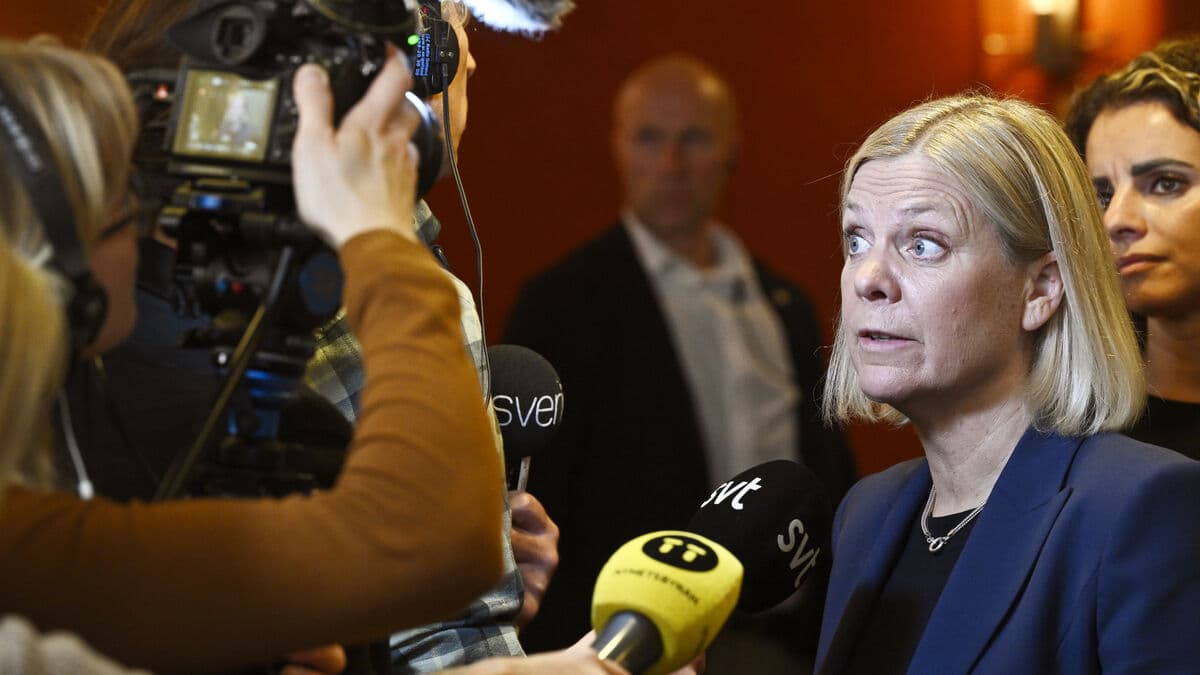
Emma Wiesner says she is disappointed that clear commitments are missing. For example, she believes it should have been possible to agree to phase out fossil fuel subsidies.
If you're going to change, you can't give tax money and large government subsidies to something you want to get rid of. It's like reducing smoking by handing out free cigarettes.
“Completely different atmosphere”
At the same time, expectations for the meeting - which falls outside the UN's annual giant meeting that requires consensus - have been mild on the part of the organizers.
By not requiring everyone to agree, the discussions in the phase-out meeting can be more open.
"It's a completely different atmosphere than at the climate summits. There are issues that are discussed at a completely different level of detail around the phasing out of fossil fuels, which we've never really gotten to," says Wiesner.
France presents plan
One idea is that countries should be able to learn from each other, and France took the opportunity to present its roadmap for the phase-out at the meeting. Two out of three new cars will be electric by 2030. At the end of this year, gas-fired water heaters will be banned in new buildings, and next year two coal-fired power plants will close for good, AFP reports.
It is very important that they do it, that they show leadership. We need to see more states do the same thing, that is what is really needed, says Daniel Högsta of WWF International.
He hopes the meeting will be the start of a movement where countries come together and push for a phase-out. He is supported by Oxfam's Mariana Paoli, who says there is a will to really move positions forward.
"The main question is how, especially now in the situation of an energy crisis, this can send a clear signal to the climate summit that hopefully strengthens that process," she says.
Despite some disappointment, Wiesner also says she is positive about the meeting as a whole.
This is one of the clearest forums where climate scientists and researchers on climate change can be involved and truly participate in the discussions.
The Netherlands and Colombia are hosting the first conference on phasing out fossil fuels.
Nearly 60 countries, including the UK, Canada, Turkey and Australia, as well as the EU, are participating. Sweden is represented by climate ambassador Mattias Frumerie and a colleague. However, major emitters such as China, the US, Russia, India and the major oil producers in the Middle East are not present.
The main meeting was held in the port city of Santa Marta in Colombia on April 28–29.