The fact that threats are considered to have increased means that Denmark is raising the threat level for cyber attacks from medium to high.
"We see no signs that Russia will carry out a full-scale invasion of a NATO country," says FE head Thomas Ahrenkiel.
But we can no longer rule it out, and that is new.
In the coming months, Russia is expected to intensify its hybrid warfare with more frequent attacks against the West and NATO, according to FE's assessment presented at a press conference in Copenhagen. This could include cyberattacks with serious consequences for critical societal functions and sabotage with a high risk of personal injury.
The new normal
According to PET, the Russian threat is primarily directed at the defence industry and activities that contribute to military support efforts for Ukraine.
"Hybrid attacks against Denmark are unfortunately the new normal," PET's head of public security, Rasmus Anderskouv, writes in a statement.
Following the warnings, the country's energy board has urged all employees at power plants and other energy infrastructure to further tighten safety, writes DR.
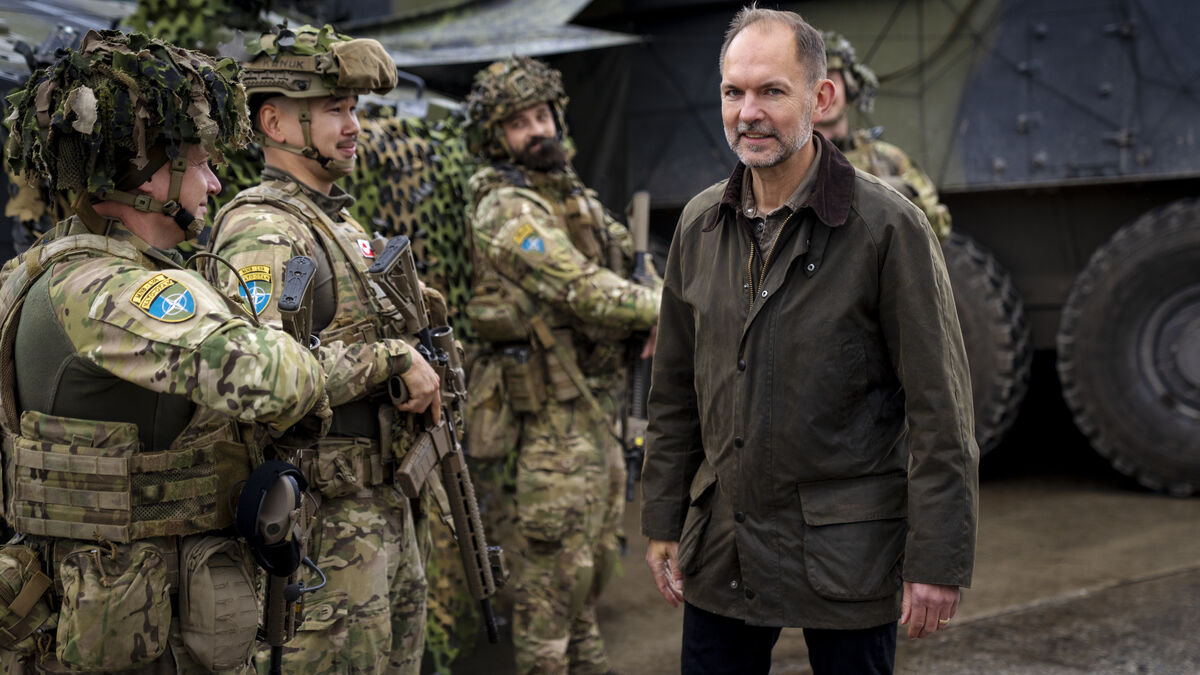
Defence Minister Jeppe Bruus (S) describes the situation as "more serious than at any time since the end of the Cold War".
That is why we are here today. We want to present the assessment because transparency is crucial," says Bruus.
Desperate action
Bruus and Ahrenkiel emphasize that there is no indication that a military attack on Denmark is imminent and promise to strengthen cooperation with the country's allies even more. FE estimates that it would take Russia at least six months to prepare a full-scale invasion of a NATO country.
A more limited attack, however, as a "desperate Russian act" could potentially take place in the coming months, according to the report.
During the late summer and early fall, intelligence services in many NATO countries have sounded the alarm that Russia will escalate hybrid warfare in European countries. The aim is believed to be to intimidate and undermine continued support for Ukraine's defense in Russia's stalled war of invasion.
On Thursday, NATO chief Mark Rutte said that NATO is prepared for possible Russian hybrid attacks. The best defense against them, he said in a speech according to AFP, is to increase support for Ukraine.


What do you think?