The Kremlin is filling the roles in this weekend's State Duma elections. Parties and candidates who don't follow the script and line are not allowed to participate.
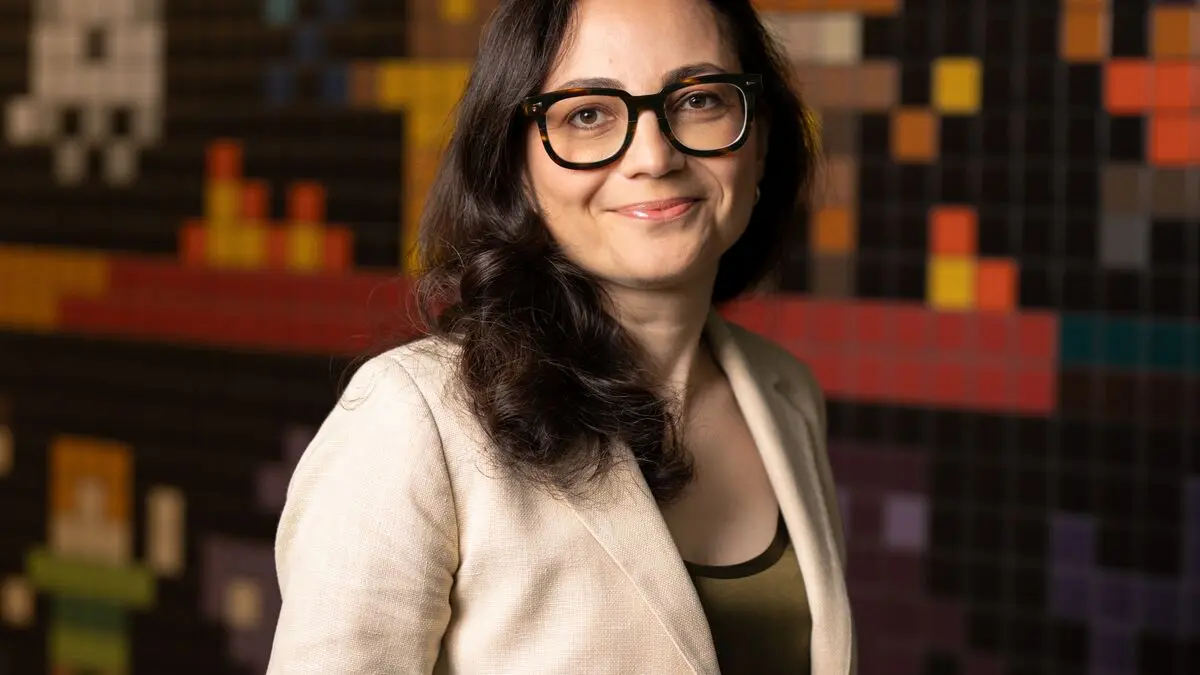
The plan was for the small and more independent party Jabloko to be assigned the role of anti-war party, says Smyth, who is a political science professor at Indiana University in the US and is currently a visiting researcher in Uppsala.
So that they could say, "Look, people are not against the war at all, because we gave them an anti-war alternative."
The problem was that Jabloko began to steal the limelight. Voters flocked and interest grew. During the summer, the party was completely banned from participating in the elections.
“Very low profile”
The opposition that remains stays within the framework, in the background, and does not oppose the prolonged war of invasion in Ukraine.
But Regina Smyth sees several cracks in the facade.
One is that the election is being given a very low profile. The Kremlin is not campaigning as it usually does and is not generating as much publicity, she says.
Another is that the Kremlin usually gives small cash gifts to pensioners, police officers, military veterans and so on. They are not doing that this time. The worst interpretation you can make of that is that they don't even trust their own supporters anymore. The next worst is that they simply don't have the money.
According to Smyth, Vladimir Putin has been campaigning with bombs, with escalated attacks on Kyiv aimed at demonstrating domestic strength.
Silent protests?
Resistance has been suppressed. People who could have led protest movements have been killed, imprisoned or driven into exile.
But Russia has a strong tradition of protest voting in other ways. In the 2024 presidential election, people were urged to show up at polling stations at a specific time, so that a queue would become a collective protest.
The war has stalled and the economy is in tatters for a long time to come. Many expect a new mobilization after the election. It will be difficult for Vladimir Putin to cite an election victory as proof that Russia is on the right path, Smyth believes.
Does the election give anyone any chance to make the dictator change his mind?
"The way I see it, he has been making concessions to society ever since the war started and failed. The regime is constantly adjusting its policies, as is the repression," she says.
The thing about election fraud is that the regime knows how it really works. They know how big the threat is or can become.
Russia is holding elections for the lower house of parliament, the State Duma, on September 18–20. 450 seats are at stake, but it is far from a free and democratic election.
According to the constitution, power in Russia is to be divided between the president and the government, parliament and the judiciary, but in practice most of it comes from the president. The parliamentary system was designed by and for Vladimir Putin's ruling United Russia party.
The other parties that are allowed play by the rules and broadly support the Kremlin's line. Parties and candidates that have engaged in genuine opposition have been eliminated through legal or violent means.
Duma elections are held every five years. Half of the seats are elected according to a proportional system with party lists and half in single-member constituencies. In the official results of the 2021 elections, United Russia received 49.8 percent of the vote. It won a large majority – 324 out of 450 seats – largely thanks to single-member constituencies.