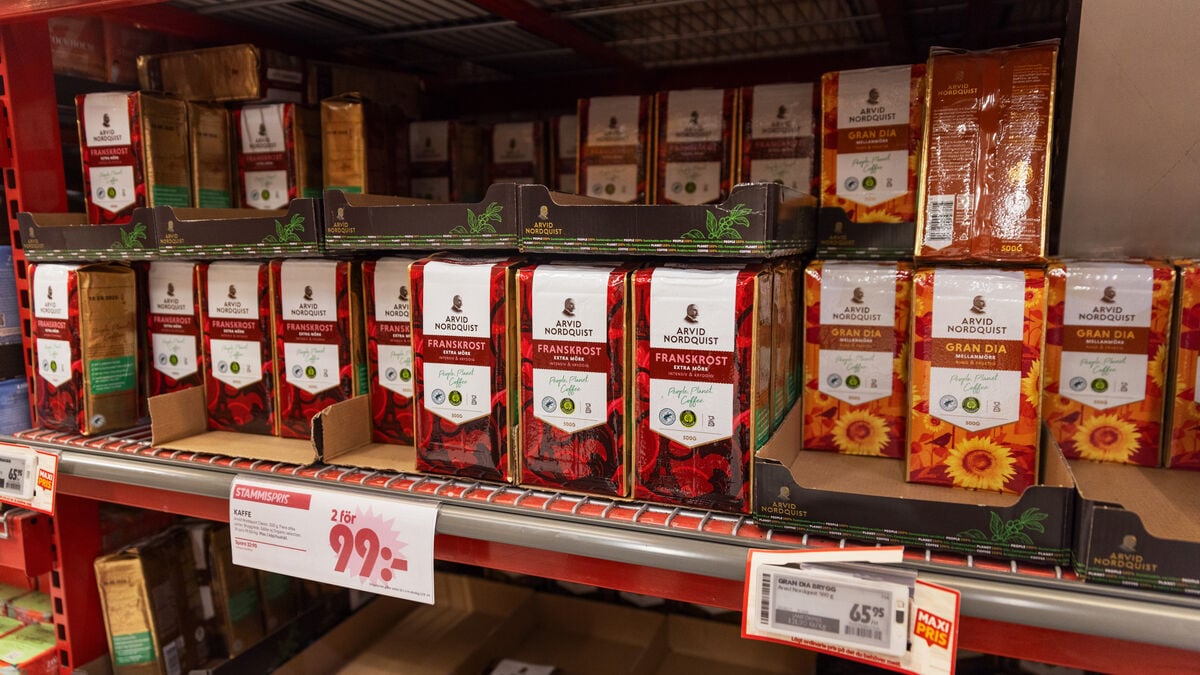
Just like the preliminary figures, Statistics Sweden's (SCB) definitive measurement shows inflation at 0.7 percent, according to the CPIF measure. This compares with 1.3 percent the previous month.
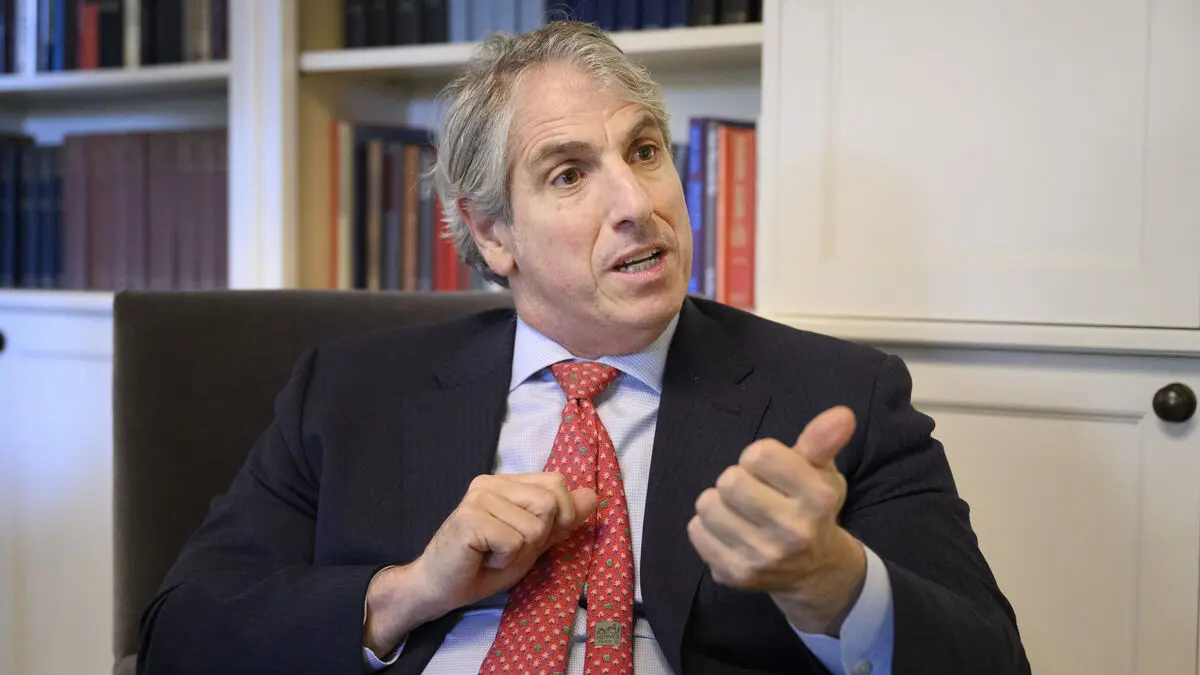
At a detailed level, there may still be slightly positive figures today, so the figures were more welcome than unwelcome, comments Jens Magnusson.
He is referring to the fact that what counteracted the price reduction were seasonal price increases for, for example, package tours and car rentals linked to the holiday period.
After all, they are quite volatile and can jump up for a single month, but they also tend to jump down quite quickly.
Below inflation target
The current inflation rate is thus well below the Swedish Central Bank's inflation target of 2.0 percent. However, the low inflation rate is explained by what Jens Magnusson calls "technical inflation reductions", i.e. the effect of reduced food VAT and energy prices.
–... but even if you remove them (the factors), inflation is still low.
This is precisely why SEB, unlike the National Institute of Economic Research (NIER), now assesses that the Swedish Central Bank will likely choose to wait with an interest rate increase in 2026.
The Swedish Central Bank is probably sitting with its head in deep creases and wondering what to do about this. But so far, we believe that the inflationary impulse that we see here is not sufficient for the Swedish Central Bank to feel that it must already begin a rate hike cycle and thereby risk a lot of other economic parts of the Swedish economy.
Different location
This makes the situation different compared to, for example, the European Central Bank (ECB), which is instead expected to raise rates at its next monetary policy meeting in September. From a market perspective, the assessment is now one rate hike and a 50/50 chance that there will even be another one this year.
However, how the Swedish Central Bank is influenced by the ECB should not be overestimated, points out Jens Magnusson:
I would still say that the inflation trend in Sweden is the most important. That is still the focus for the Swedish Central Bank, that is what the mission is, so to speak.
However, a consequence of increases from the ECB could be a stronger euro and thus also a weaker Swedish krona.
It is clear that the greater the difference, the greater the likelihood that the krona will weaken so much that inflation will suddenly start to be imported again, Magnusson points out.