
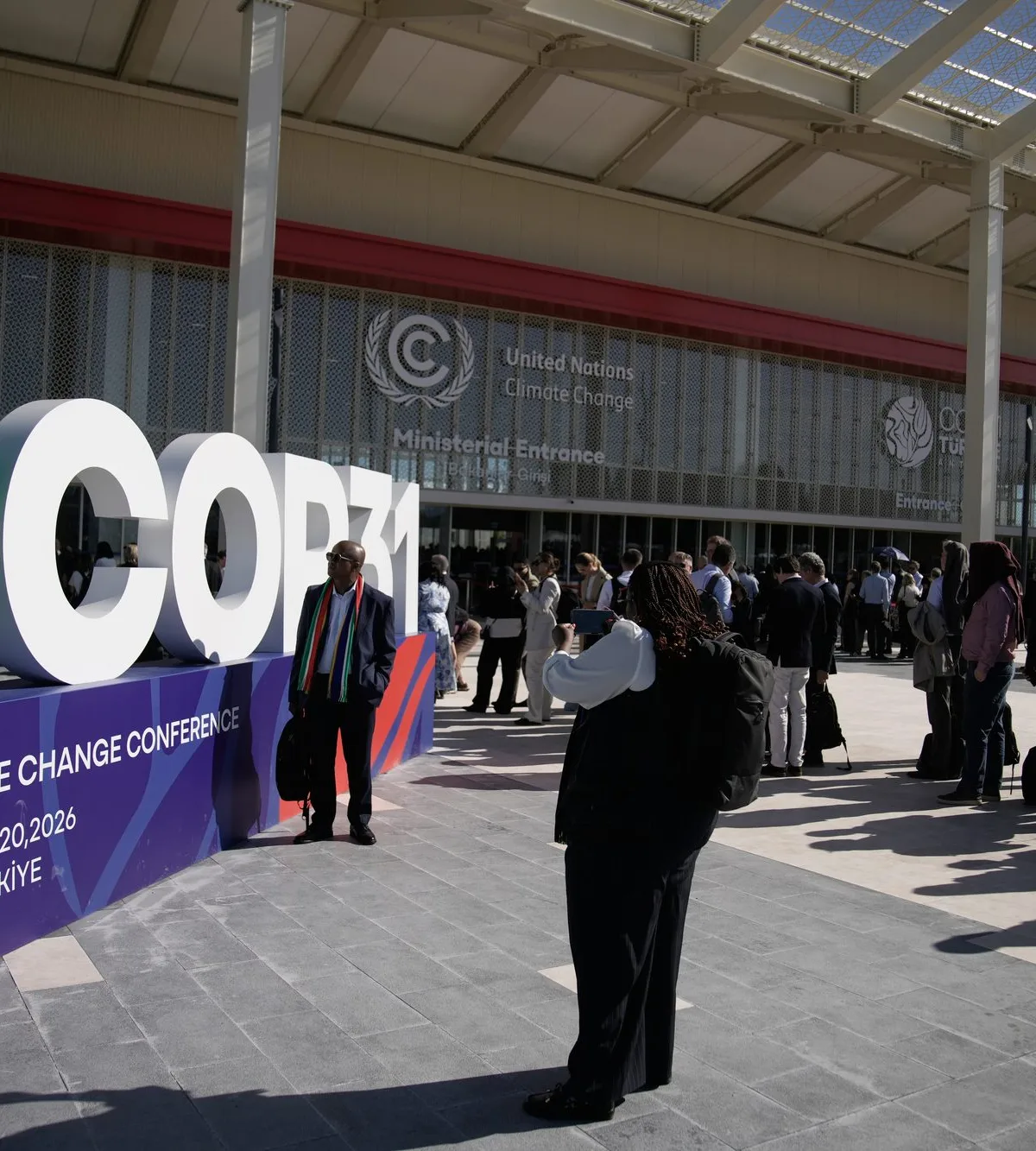
Electricity accounts for 23 percent of the world’s energy use. Turkey and Australia, this year’s co-hosts of the UN’s major climate summit in Antalya, Turkey, want to increase that share to 35 percent by 2035.
The world has no chance of staying within 1.5 degrees unless we raise the share to 35 percent. It will take more than a quadrupling of the rate of electrification worldwide, says Australia’s Climate and Energy Minister Chris Bowen, who is leading the negotiations, at a press conference.
The “35 by 35” target is something many countries could sign up to, says Peter Newell, professor of international relations at the University of Sussex.
“Absolutely possible”
According to the International Energy Agency IEA, large countries such as Japan, South Korea and China are already close to the target.
It may be a little easier because the momentum is already there and there are powerful factors driving the issue forward. The more difficult question, which is at least as important, is how to cut fossil fuel production, says Newell.
Filip Johnsson, professor of energy systems at Chalmers, says the electricity target can be reached.

Peter Newell, Filip Johnsson. Press photos.
It is absolutely possible. There is no shortage of technologies. It can be stated that solar and wind power are the cheapest forms of energy, he says, and continues:
But if climate policy is very weak or absent, as it is in many regions, where it costs nothing or very little to emit carbon dioxide, then I doubt it will succeed.
“Serious conversations”
China’s dominance in the area - in critical metals, supply chains and the production of electric vehicles, solar panels and batteries - can be a deterrent, Newell believes.
For many countries, it can be an excuse to slow down electrification.
Building robust electricity grids in Africa, for example, also requires a lot of money, and the question is who will pay for it.
These big goals have traditionally and historically been effective in mobilizing financing and changing direction, he says.
The goal currently does not state that the electricity must come from renewable sources. It can therefore be generated from coal, gas and oil.
I can imagine that there are very serious discussions going on between energy ministers and their industries about what limitations should be in place, says Newell.



What do you think?