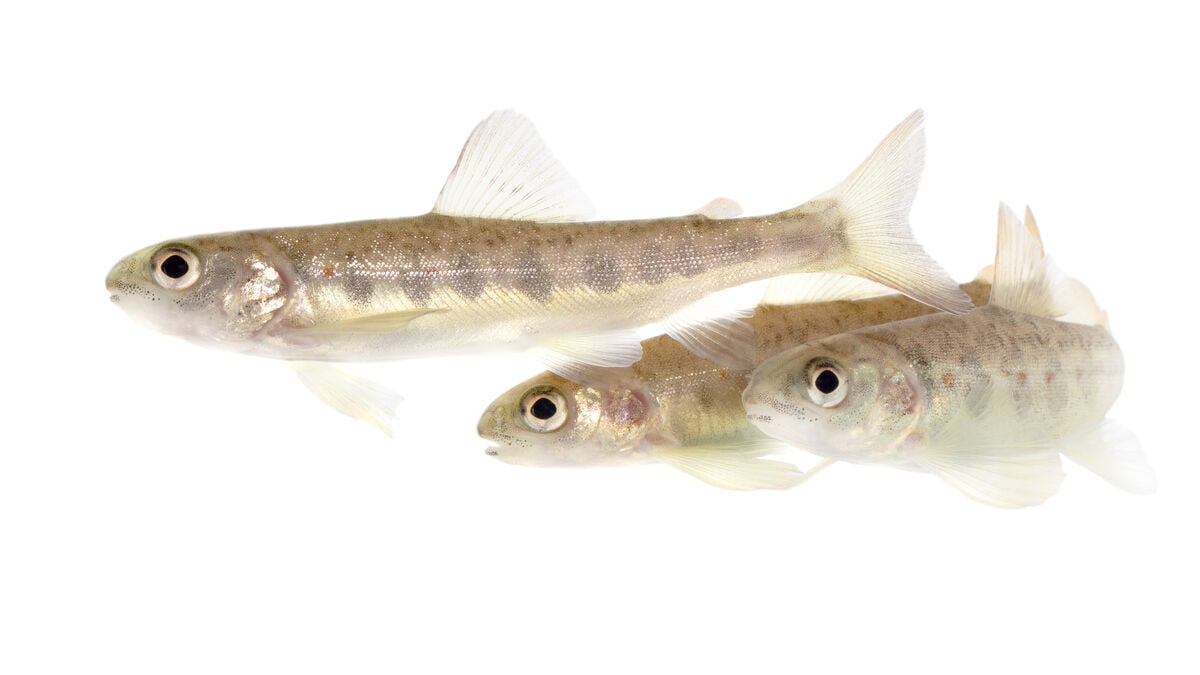
Drugs in lakes and other waters are a growing environmental problem that can affect both animal health and behavior. Previous research has mainly been done in a laboratory environment, but in a new study from the Swedish University of Agricultural Sciences (SLU), researchers have been able to follow how young Atlantic salmon exposed to cocaine moved in Lake Vättern.
The most significant effect on the salmon's behavior was benzoylecgonine, the most common breakdown product of cocaine. Fish exposed to it became bolder than other fish in the study.
They swam almost twice as far and also spread out further into the lake. The fish in the control group moved about 20 kilometers from where they were released, while these fish just kept moving away and were finally about twelve kilometers from the control group, says the study's first author, Jack Brand.
Missing environmental impact
The discovery is important because environmental and risk assessments usually look at the parent pollutants and not the degradation products, he explains.
One of the conclusions is that these substances actually affect the behavior of fish in the wild. This suggests that we are missing a potential environmental impact they are exposed to.
It is not yet known what effects the changes in movement will have, but even small changes can affect how the fish, for example, search for food and avoid predators.
More actions
The researchers believe that several measures are now required, such as improved water purification and promoting technologies or regulations that either remove drugs and their breakdown products from the environment or at least monitor them better.
- I think it is very important to convey this to those who work with water regulation and wastewater management, and to show that these levels of chemicals that are often found in our waterways can affect the behavior of fish in nature.
Jack Brand emphasizes that no one needs to worry about the health of the fish or that it would be dangerous to eat them.
The concentrations are very small, and they are already present in nature, so it's not like we've added something completely new. They are also young salmon, far from the permitted size, and by the time they are big enough to eat, the substances have long since disappeared.