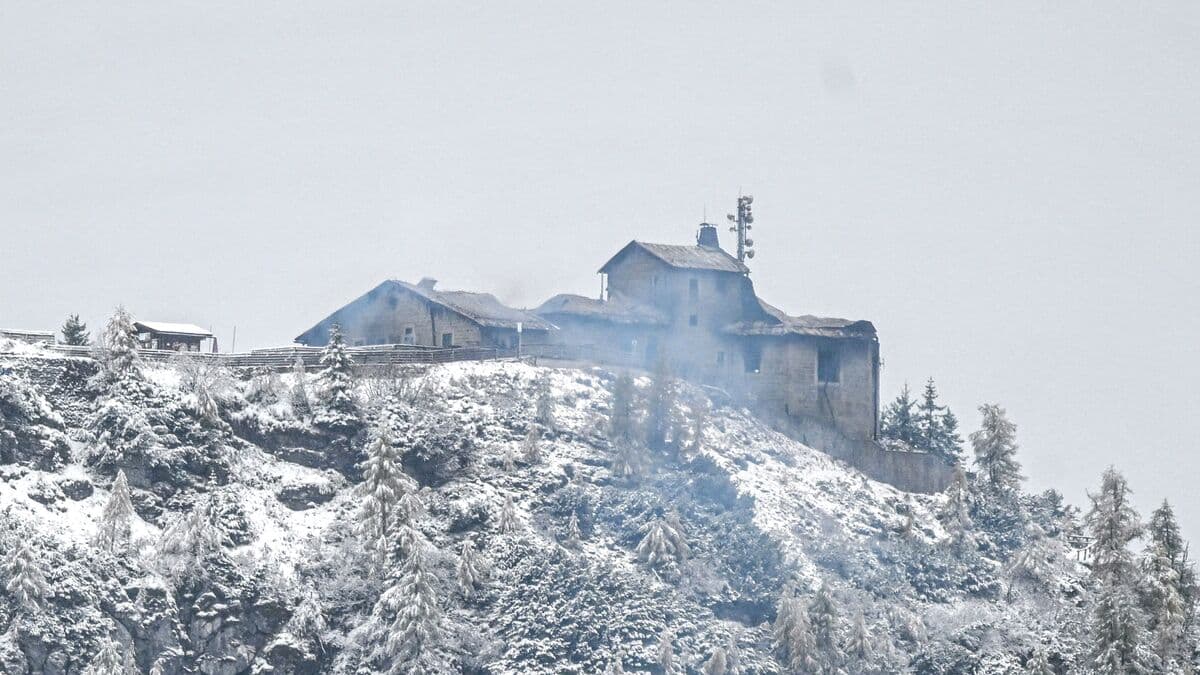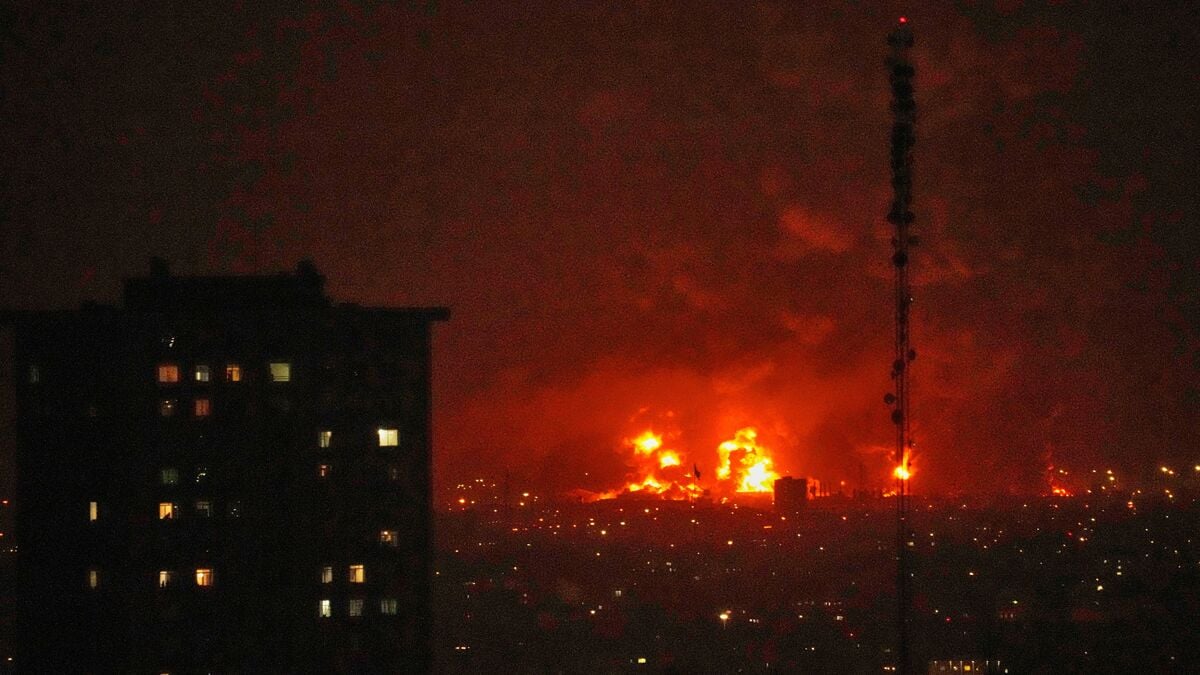
On the night of March 8, several oil facilities in the area around the Iranian capital Tehran were attacked. When morning came, the light was obscured by smoke from the burning oil.
Inhaling the smoke is the worst, says Leo Stockfelt, an associate professor of environmental medicine and chief physician at Sahlgrenska University Hospital in Gothenburg.
When the oil burns, air pollution particles containing heavy metals and sulfur are released. Coughing, irritated eyes and a runny nose are common symptoms after inhaling the smoke, according to Stockfelt.
“The air is unbreathable”
Children, whose lungs are still growing, are particularly vulnerable. For those with asthma or other lung diseases, the smoke can be life-threatening.
The risk of death increases for those who are vulnerable, says Stockfelt.
Reports came from Tehran on Sunday from people who had difficulty breathing, headaches and a burning sensation in the eyes and throat, writes The Guardian.
“The air is unbreathable,” one person told AFP the same day.
WHO Director-General Tedros Adhanom Ghebreyesus wrote in a post on X that the damaged oil depots "risk contaminating food, water and air - hazards that could have a major impact on health, especially for children, the elderly and those with pre-existing health problems."
The WHO also warns of "black rain" - rain mixed with soot and air pollution - and acid rain.
"It is a danger to the population," said WHO spokesman Christian Lindmeier at a press conference on Tuesday.
Local authorities in Tehran urged residents to stay indoors on Sunday, according to AFP. Leo Stockfelt points out that it is difficult to fully protect yourself. Ordinary face masks are hardly helpful. Despite closed windows and doors, the smoke can, to some extent, enter an ordinary home.
Hundreds of miles
Depending on how long the oil depots burn, and where the smoke goes, the air pollution after the fire could have long-term health effects for the Iranian population, according to Leo Stockfelt.
There are substances that can ultimately increase the risk of cardiovascular disease or cancer, he says.
If the wind permits, particles can be spread hundreds of miles.
It can have significant health effects at the group level, even if they are smaller for the individual, says Stockfelt.
Leo Stockfelt draws parallels to the oil fires in Kuwait in 1991, where large areas were affected by high levels of air pollution and many people had respiratory problems.
Everyone understands that war is dangerous, but side effects like these are easy to forget.