Pedro came to Russia for what he thought was a good job in the IT industry. Instead, his passport and phone were confiscated and he was forced to go to the front. Now he is one of many citizens from countries in South America and Africa, among others, who are testifying about Russian forced recruitment.
"Amnesty's findings show how Russia's armed forces are filling their ranks with economically vulnerable foreigners and using them as cannon fodder in the offensive war," the human rights organization writes.
Two weeks of training
Military experience is apparently not required. According to the testimonies, it can be “only two weeks of training” before the people are sent to “active combat zones.” The task is also made more difficult by a lack of equipment and the language barrier, as many have not had time to learn Russian.
Amnesty has interviewed the soldiers, from eight different countries, from 2024 to this year in Ukrainian prisoner of war camps, but also foreigners who are still fighting for Russia.
In some cases, the people understood that they were to work for the army, but thought that it was about support functions such as drivers far from the front. Two Sri Lankans say that they were to be cooks for the military. Instead, they were deployed into combat – and captured by Ukraine after just a week.
The fighting is on a scale that is barely imaginable, one of them tells Amnesty.
Drones everywhere
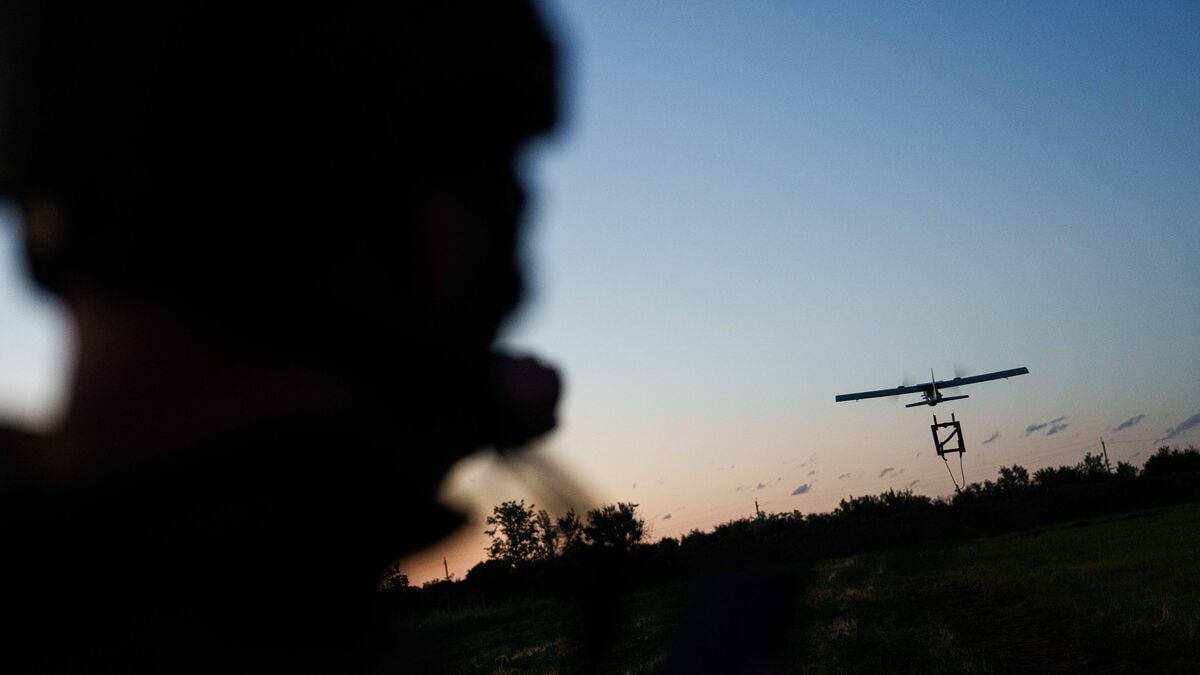
You don't see any Ukrainian soldiers, only drones. There are drones everywhere. I would never go back.
Amnesty describes the activity as human trafficking. “Other countries must do everything in their power to stop these crimes,” comments the organization’s Secretary General Agnès Callamard in a press release.