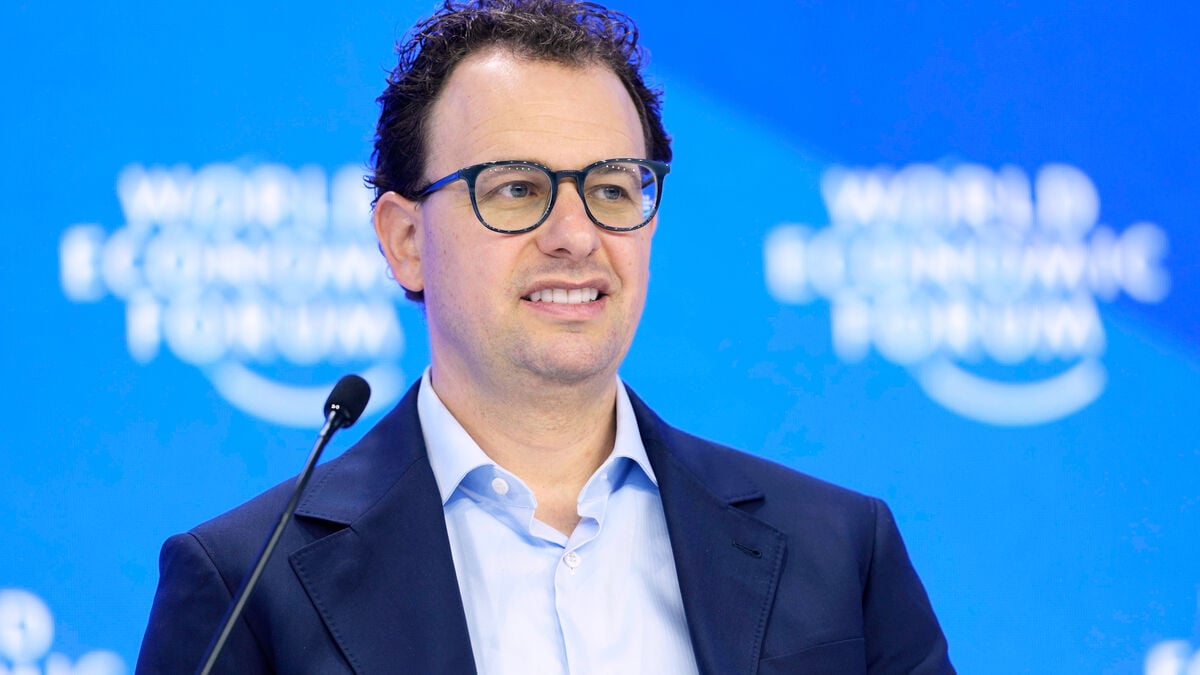
This weekend, Anthropic CEO Dario Amodei published a long blog post in which he called for a joint slowdown in AI technology.
“We need to slow down the pace at which we improve the capabilities of AI models. Progress will still seem rapid, and we need to use the time we gain wisely,” Amodei writes.
In the post, which has been backed by both OpenAI CEO Sam Altman and tech billionaire Elon Musk, Amodei points out that AI now has a "growing ability" to develop itself.
“If this is not taken into account, our ability to understand and control systems risks being undermined,” he writes.
Unsolved problem
Olle Häggström is the Swedish expert who has made a name for himself on the issue of AI regulation. He doesn't think Amodei goes far enough.
We need a complete stop to frontier models, he tells TT.
He is referring to today's most powerful language models. According to Häggström, the world's leading AI companies lack a plan to make truly powerful AI systems work in the interest of humans.
It is a fundamental unsolved problem that we need to solve before we get superintelligent AI, says Olle Häggström.
Recently, renegade AI researcher Jacob Coxon warned that artificial intelligence could be the downfall of humanity. According to another senior researcher at Anthropic, Evan Hubinger, the risk is “greater than ten percent” that this will happen within the next ten years.
Quite unlikely
Others dismiss the doomsday prophecies.
I see the risk that AI would derail and destroy humanity as quite unlikely, says Fredrik Heintz, who researches artificial intelligence and autonomous systems at Linköping University.
Fredrik Heintz instead points to the risk that people can use AI to commit various crimes, such as acts of terrorism.
Even tech giants Mark Zuckerberg (Meta) and Jensen Huang (Nvidia) dismiss the need for a collective slowdown. They instead argue that the responsibility lies with individual companies.