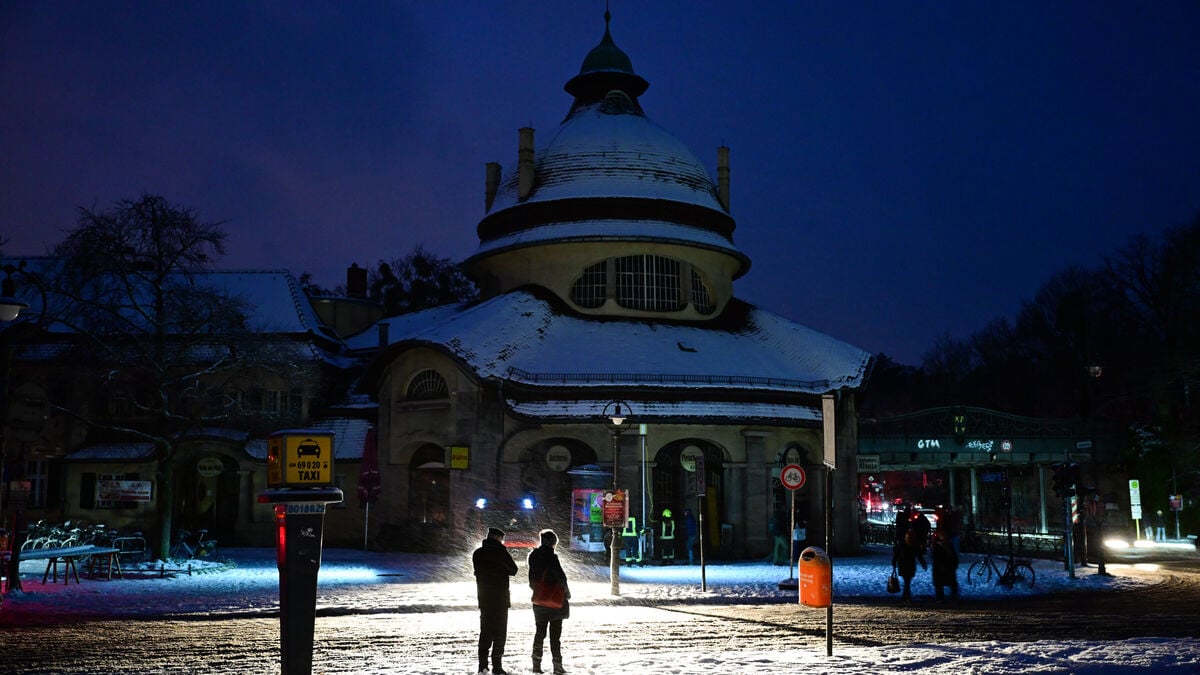
In January, Berlin suffered what is being called the city's biggest blackout since World War II. About 45,000 households and 2,000 businesses lost power. Among those affected were five hospitals and 66 nursing homes.
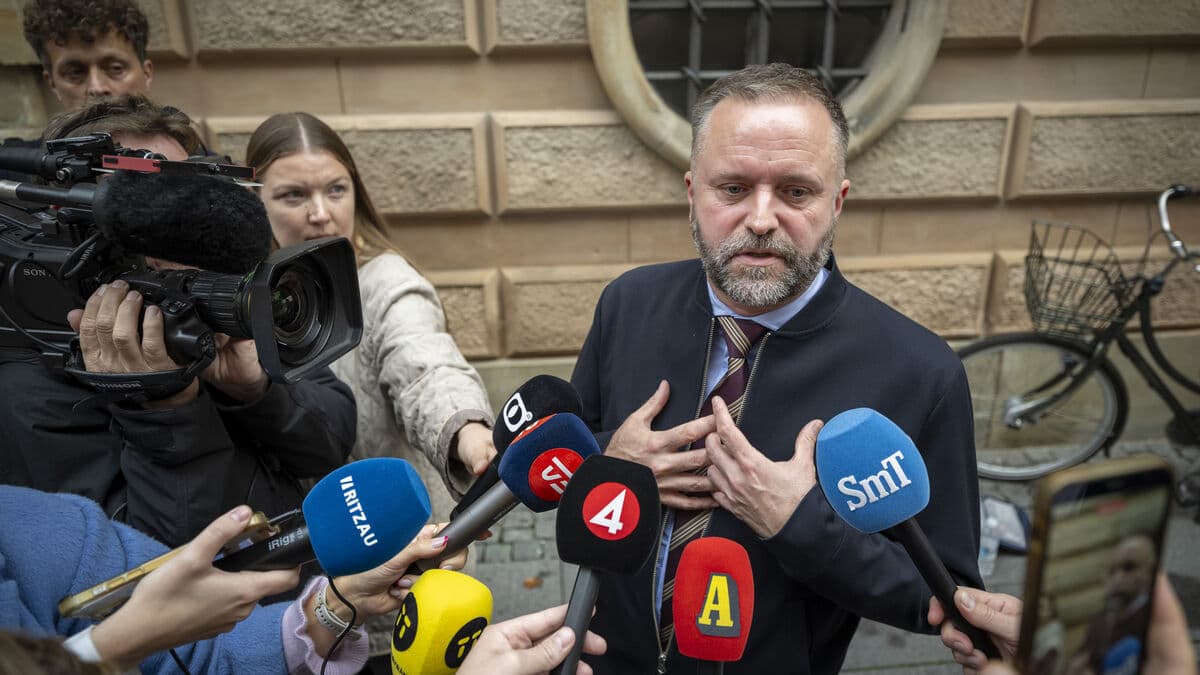
Andreas Thomsen is one person whose life was in danger, Politico writes. The 68-year-old suffers from the neurological disease ALS and was close to death when his respirator stopped working during the several-hour interruption caused by an attack.
The Shadow of Russia
The so-called “Vulkangruppe” claimed responsibility for the attack, but the incident was not an isolated case. Since 2011, police have been trying to track down various networks of left-wing extremists who carry out extensive sabotage against German infrastructure.
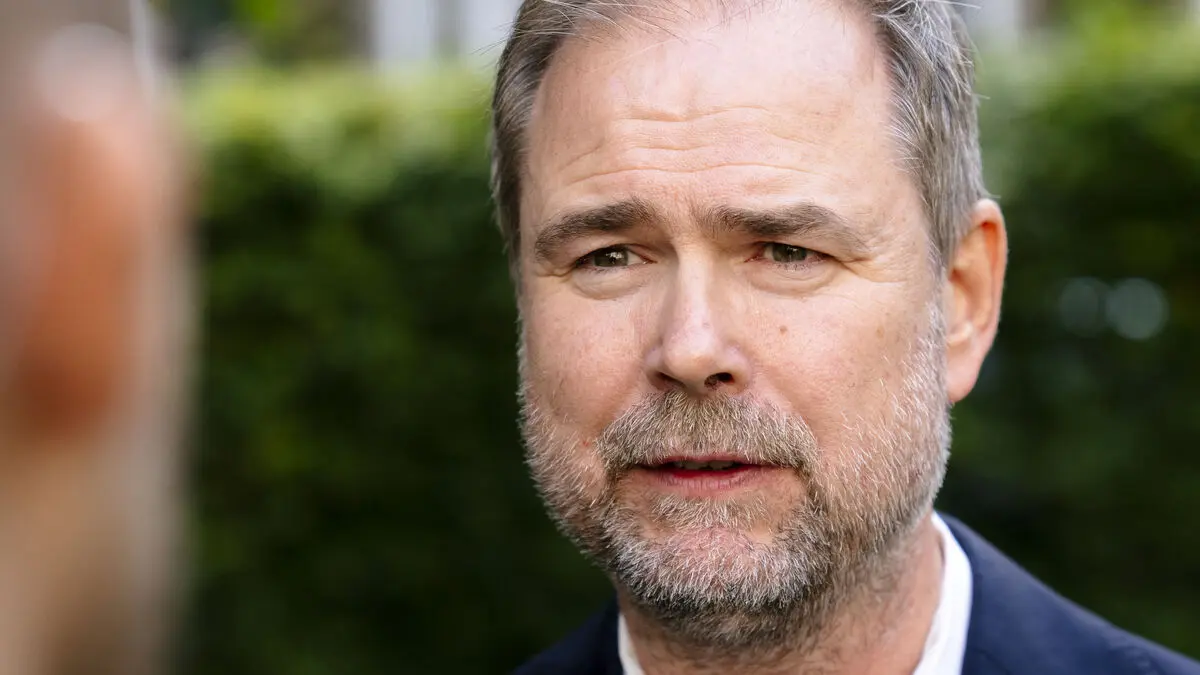
“Vulkangruppe” is a label used by loose groups with no organized connection to each other. The movement describes itself as technophobic, seeing digitalization as a tool for state control. According to Simon Teune, a political sociologist at the Freie Universität Berlin, the groups share an anarchist ideology.
"We don't really know who they are, but they are probably a small group of very experienced people," he says.
Despite 15 years of mapping, authorities have failed to infiltrate the groups. One explanation is that the Russian threat has diverted attention. German Interior Minister Alexander Dobrindt has pointed to Moscow as a possible actor - despite the lack of evidence.
The January attack ultimately became a turning point in Germany, where desperation is now growing. Authorities have offered a reward of one million euros for information.
Isolated cells
Simon Teune says that while acts of violence on the far right often rely on broader support within their own political sphere, far-left groups act more in isolation.
There is no environment that supports and legitimizes this type of action. Quite the opposite. There is hardly anyone who says it was a good idea to organize these attacks.
Teune does not believe that the effects of the January attack were desired, even by the perpetrators themselves. The fact that people such as ALS patient Andreas Thomsen being affected was probably not part of the plan.
The idea was to shut down a specific power plant and at the same time turn off the lights in affluent areas of Berlin, but those who were hit hardest were those who lived in high-rise buildings - people who were poor, says Simon Teune.