
The world's countries failed to reach an agreement at COP31 last week. The presidency's proposed outcome document was rejected by the EU, among others. Bill Hare of the research institute Climate Analytics has followed climate summits for many years.
“COPs are not successful at every meeting, for better or worse. And this took place under the worst geopolitical circumstances I can remember,” he says.
He emphasizes that a lot happens outside the media spotlight, where experts negotiate and work through various issues.
“If we didn't have the COP, we would have to create it. But it is clear that many countries I work with received the draft outcome document with a sense of resignation.”
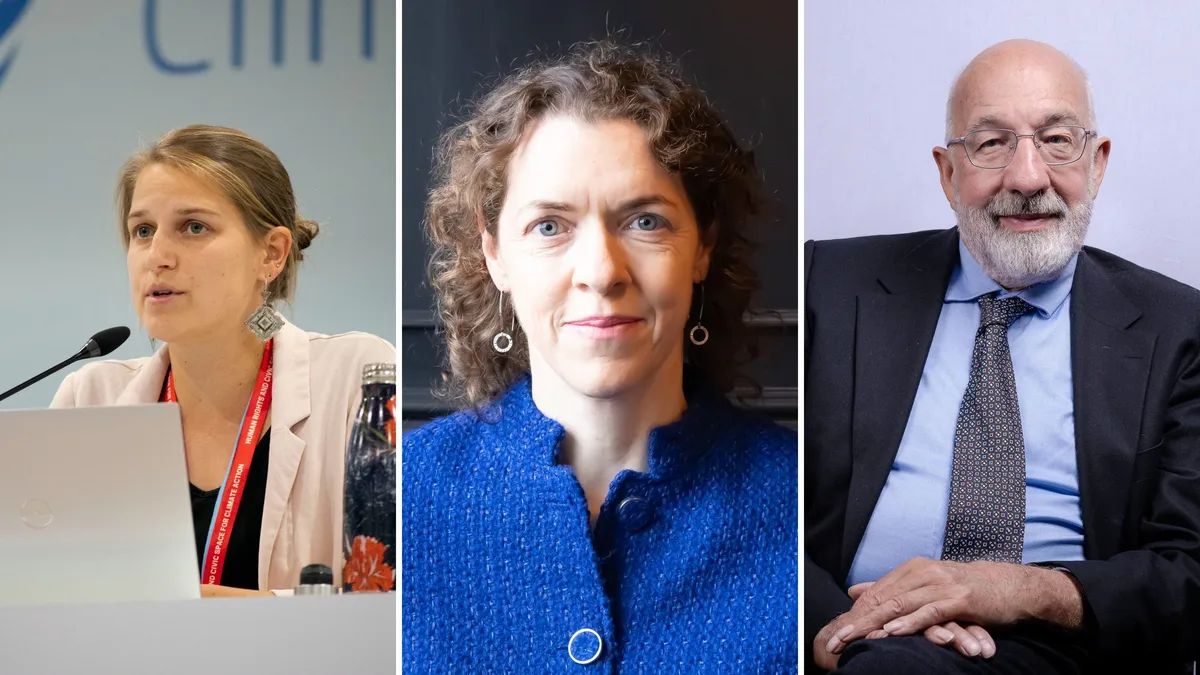
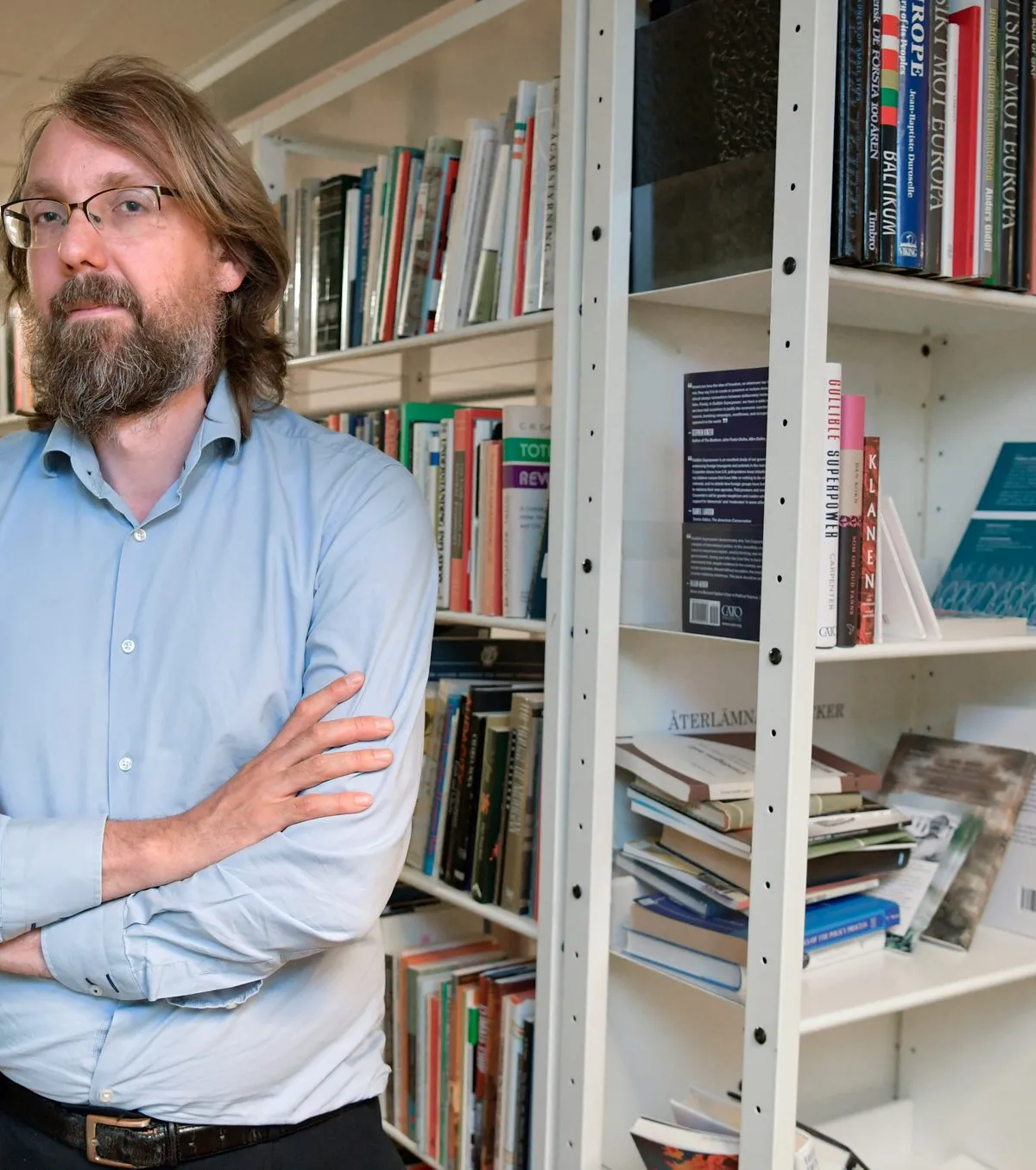
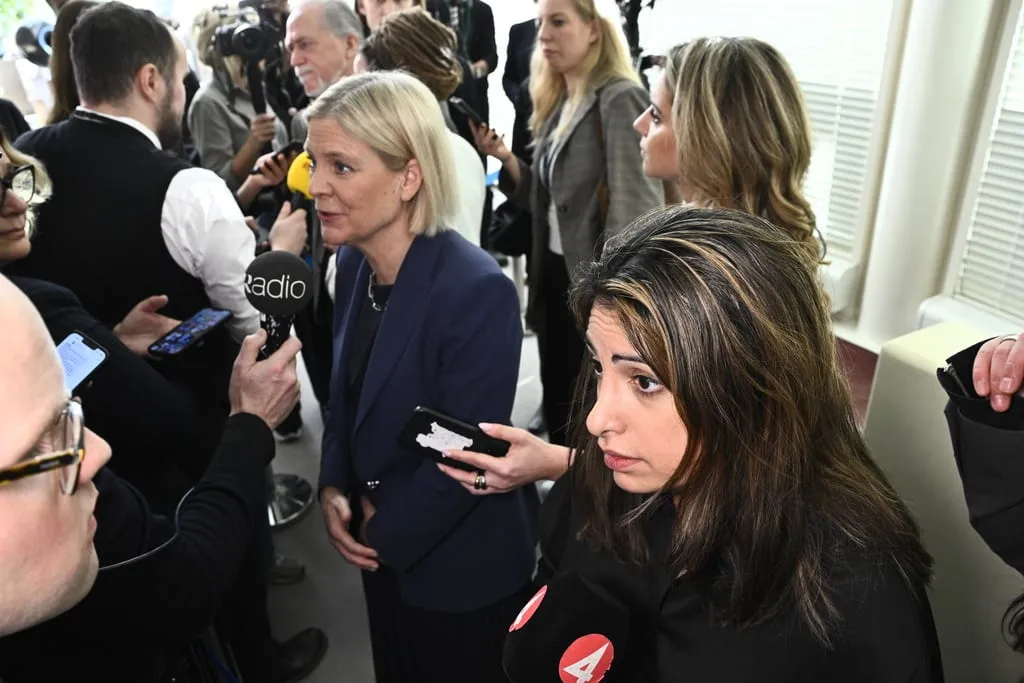
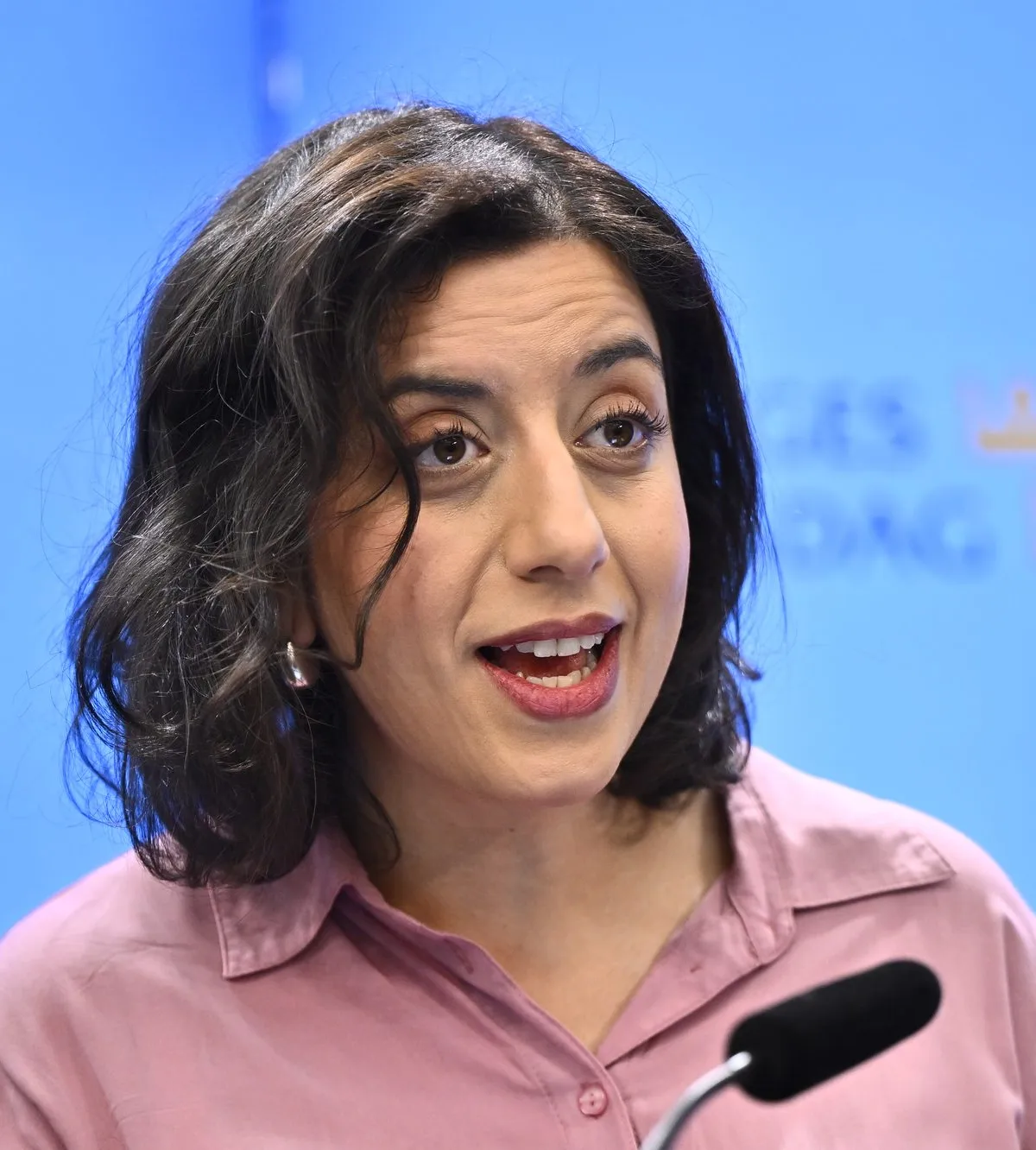
Lien Vandamme, Sinead Walsh and Bill Hare.
"May sound strange"
Around 130 countries demanded a phase-out of fossil fuels, clarity on funding for climate adaptation and weaker wording on carbon dioxide capture. Fossil-fuel-producing countries such as Saudi Arabia opposed the phase-out, according to negotiators, so it was not mentioned in the proposal that was eventually passed.
Sinead Walsh of the think tank ODI does not necessarily see it as a failure.
“It may sound strange, but I think it is positive that many countries came together and said that this is unacceptable,” she says.
The COP has ended in disagreement a few times before, most notably in The Hague in 2000 and Copenhagen in 2009. But the processes continued at later meetings.
“Copenhagen was implemented disastrously, but it ultimately led to the Paris Agreement,” says Bill Hare.
Walsh agrees:
“Sometimes a negative shock can help get people to act.”
“Of course”
Lien Vandamme points out that one problem with the COP is that it has never been agreed that countries can vote when consensus is not reached, something many other UN bodies can do.
“It is often a small group of countries that block progress, and that basically prevents the world from moving forward.”
She acknowledges that such a reform may be difficult to achieve:
“You may need consensus to avoid consensus, we are aware of that. But we believe that the conversation is necessary.”
She thinks that discussing whether the COP is even needed is dangerous, since climate change is a global problem that no single country can solve.
“The question of whether we should have climate negotiations is a non-issue for me. It is obvious that we need those conversations,” she says.


What do you think?