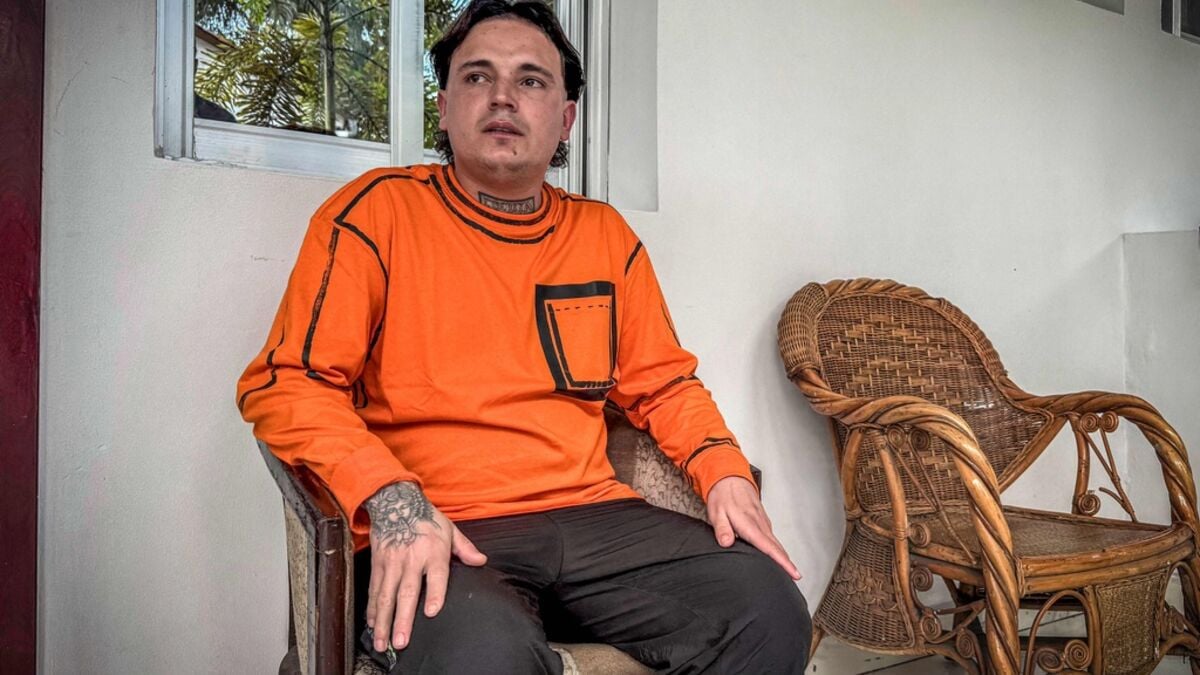
The journey across the Atlantic took 27 hours. Now Gabriela and about ten other Latin Americans are stuck in a hotel complex on the outskirts of the megacity of Kinshasa.
"I didn't want to go to Congo. I'm scared," the 30-year-old told AFP.
Gabriela was only told where she was going the day before she was deported from the U.S. Others, like a Colombian man NPR spoke with, were not told their destination until they were on the plane.
They took us, put us on a plane and chained us hand and foot, he says.
Other migrants have been sent - or will be sent - from the U.S. to Equatorial Guinea, Eswatini, Ghana, Cameroon, Rwanda, South Sudan and Uganda. Kosovo and Palau in the Pacific have also signed agreements with the US to accept undocumented migrants.
Fever and vomiting
Congo-Kinshasa is one of the world's poorest countries and has been plagued by bloody fighting for decades, mainly in the eastern parts of the country, which has led to a prolonged humanitarian disaster and millions of deaths. In addition, mosquito-borne diseases claim thousands of lives every year.
"I know there's an armed conflict going on in Congo. And an outbreak of yellow fever," an Ecuadorian man - who likens his situation to human trafficking - tells NPR.
According to Gabriela from Colombia, several of the migrants have become sick since their arrival.
We've had fever, vomiting and stomach problems. But we're just told that it's normal and that we have to adapt.
The migrants feel cornered, she tells AFP: Either they agree to be repatriated to their home countries or they are stuck in Congo, where none of them have a work permit or speak the language.
It's inhumane and unfair, says Gabriela.
Stopped in court
In February , a federal judge in the United States ruled that deportations to third countries are illegal. The government appealed and an appeals court overturned the ruling, but the legal process continues. In the meantime, deportations continue.
Hugo Palencia Ropero, 25, questions how he could be put on a plane to Kinshasa without giving his consent. He is more afraid in Congo than at home in Colombia, he tells Radio France Internationale (RFI).
There is extreme poverty here and more insecurity than in Colombia, where the situation is already difficult.