Denmark and Greenland are in the middle of a global political storm after US President Donald Trump, who threatened punitive tariffs on eight European NATO allies, raised the stakes for a US takeover of Greenland.
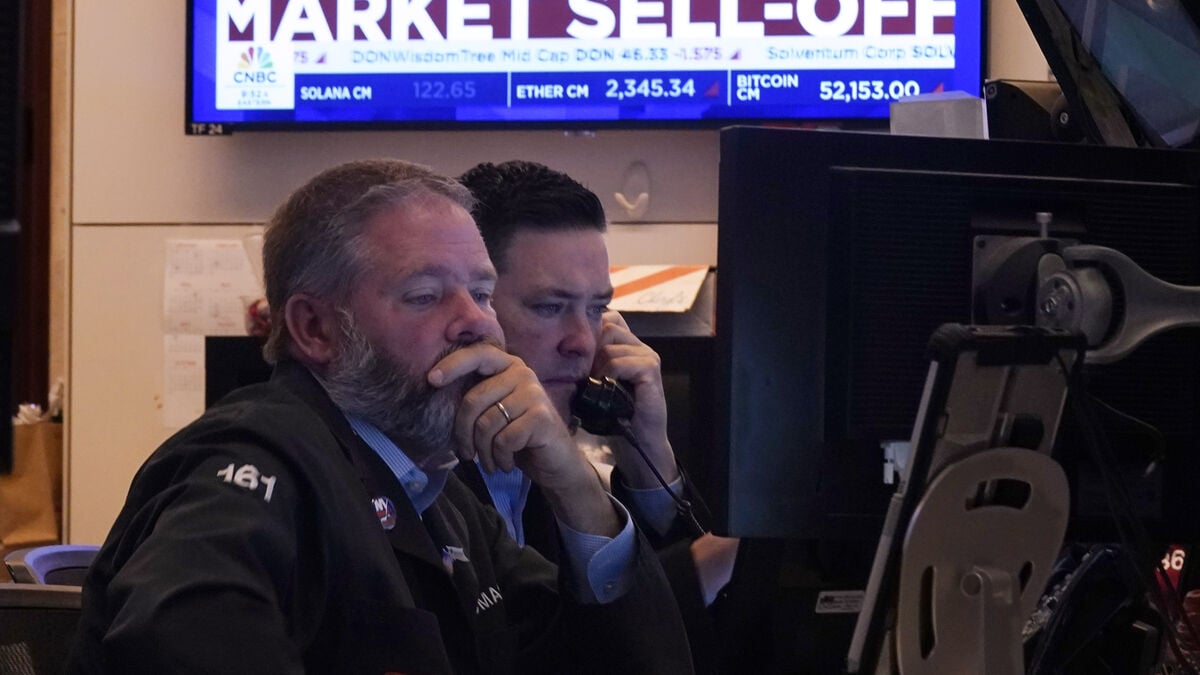
The market is in full swing, with price falls on Wall Street, continued declines in the dollar and rising market interest rates in the US - a trend that is summed up as “sell the US”.
Some investors are going further than others. The Danish fund Akademiker Pension is announcing that all US government securities in its portfolio - worth around one billion kronor - will be sold before the end of the month. The fund cited, among other things, the Greenland crisis.
Drops in the sea
And the Swedish pension fund Alecta has sold US government securities worth SEK 70–80 billion over the past year, reports Dagens Industri. With this, the fund has disposed of most of its loans to the US government, citing increased risk and unpredictability in US politics.
But these are drops in the ocean. European holdings of US bonds are worth a total of around $2 trillion, which is equivalent to 40 percent of all foreign-owned US government securities.
Europe also holds about the same amount in US corporate bonds, plus US stocks worth three times as much.
In total, this involves US assets worth over $10 trillion in Europe, according to the Bloomberg news agency.
Exposure decreases
“Sell the US” is also reflected in the lowest inflows into US funds in several years. But according to Bloomberg Intelligence, many investors are moving into global funds rather than US-only funds. This does not mean that exposure to shares in US companies is being removed, but rather that it is being reduced: from 100 percent in US funds to 65–70 percent in global funds.
Eiko Sievert, at the European rating agency Scope Ratings, expects a gradual reduction in US exposure in Europe. But he does not expect a coordinated European sell-off.
“We consider it unlikely that European investors would sell off US assets in a comprehensive and coordinated manner in response to the increased political tension,” he writes in a recent analysis of the situation.
He points out that it would create huge holes in investors' balance sheets and also break up the global financial system of which they are part.