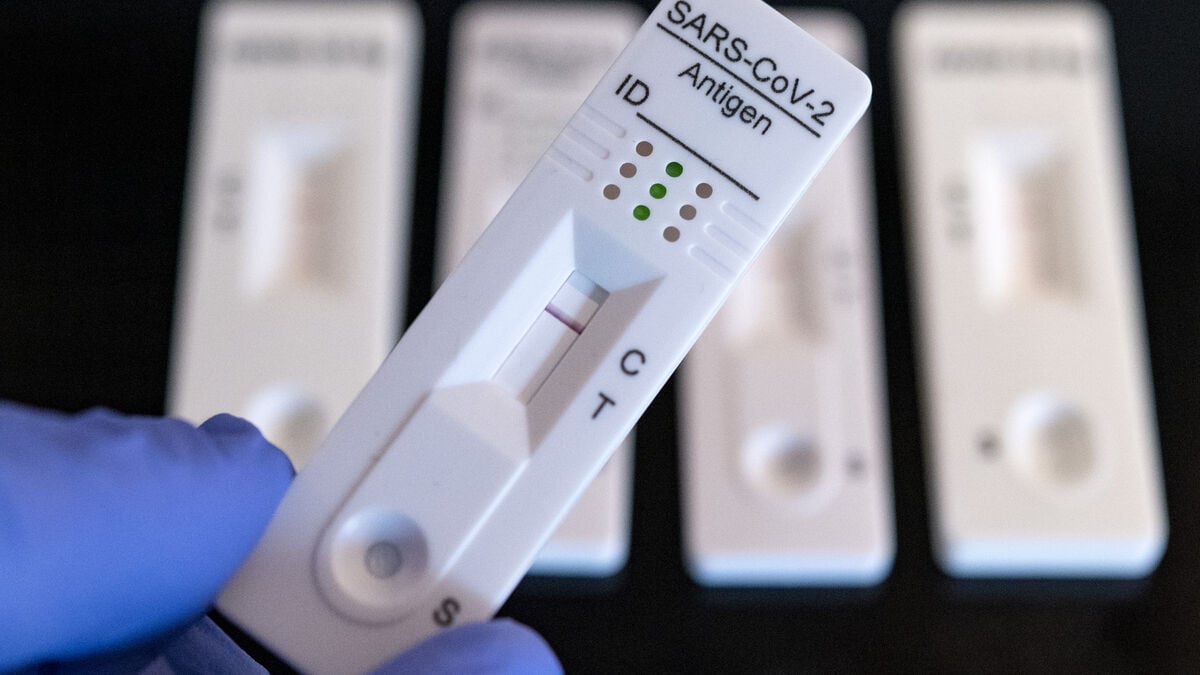
When the COVID-19 pandemic peaked in 2021, approximately 75 million people in the EU and OECD countries were affected. Five years later, around one percent of the population is still struggling with the effects of COVID.
Even though the number of people affected is decreasing, the costs remain high, according to the report authors, who estimated the economic consequences.
Exceeds “by far”
Over the next ten years, post-COVID could cost healthcare systems in member states $11 billion per year, equivalent to around 100 billion Swedish kronor. But indirect costs will far exceed healthcare costs by 2035, the report authors warn.
The effects on the labor market, productivity and economic growth will constitute “a significant burden on the economy.” According to the report, the annual GDP of member countries could be reduced by 0.1-0.2 percent by 2035, conservatively estimated.
Lisa Norén, doctor and spokesperson for the Covid Association, welcomes the report and says it points to something important.
If you don't get access to the right support and treatment, you may not even be able to function in the workplace. And that has consequences not only on a personal level but for society.
The OECD is a very credible actor, and if they are concerned, Sweden should be too.
Better coordination
Many of the issues raised in the report are also advocated by the Covid Association, such as the need for national strategies and standardized care pathways.
Our members say it is very random today. People must be able to get the same help regardless of who they see in healthcare.
The report also calls for better coordination between different actors so that interventions can be tailored and not be limited to healthcare. The right help would “help shorten the long shadow cast by the pandemic,” the report authors write. Lisa Norén agrees.
There needs to be increased coordination between healthcare, employers and social insurance, and recognition that COVID-related illnesses cause reduced work capacity. This is a much bigger problem than the care you receive or don't receive.
Post-COVID stands for "post-infectious state after COVID-19". It is a collective term for people who have residual symptoms after an infection.
Symptoms vary, but can include severe fatigue and general poor health, or more serious symptoms such as autonomic nervous system disorders, impaired lung function, or damage to internal organs.
A patient may have several symptoms. Many symptoms are also common in other diseases.