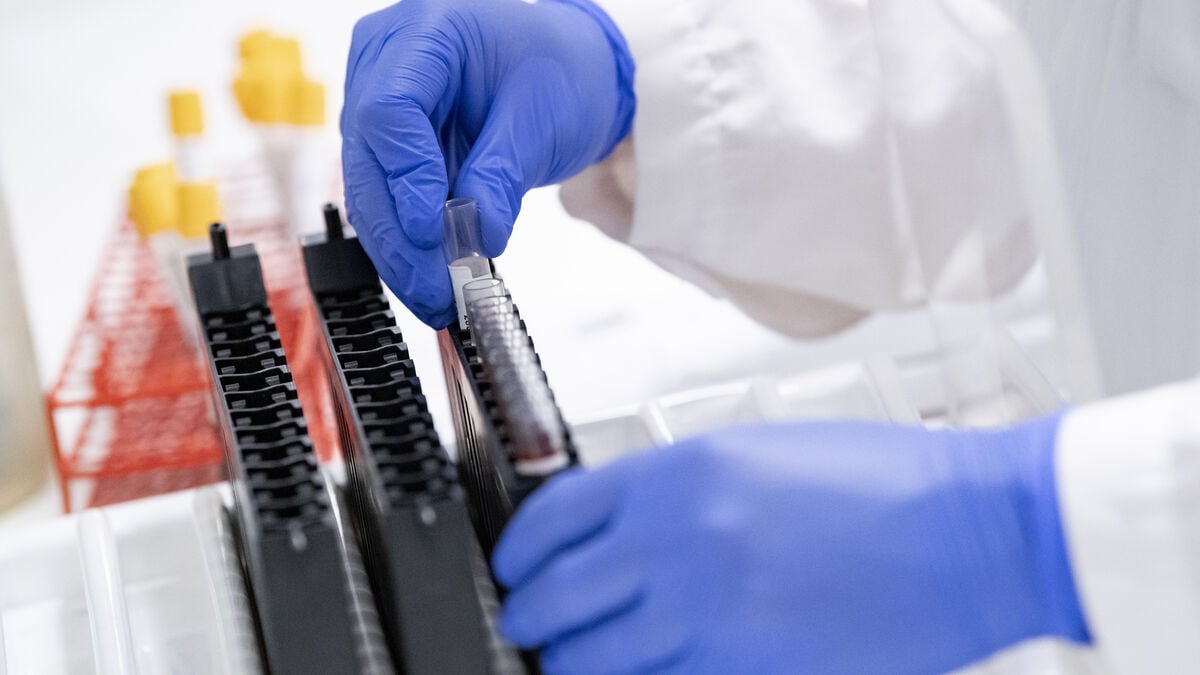
Researchers at the Karolinska Institute have investigated how residual health problems after a COVID-19 infection are related to secondary diseases in the cardiovascular system.
The study included 9,000 individuals diagnosed with post-COVID in the Stockholm Region. Two-thirds of them were women. They were compared with the rest of Sweden's adult population under 65.
Heart rhythm disorders and coronary artery disease were found to be more common in both women and men with post-COVID.
During the four-year follow-up, 18.2 percent of women and 20.6 percent of men with post-COVID suffered some form of cardiovascular event. Among the group without post-COVID, the corresponding figures were 8.4 percent and 11.1 percent, respectively. Women were also at increased risk for heart failure and peripheral vascular disease.
"Big dark figure"
The differences remained even after the researchers adjusted for age, socioeconomic status and other risk factors.
Even those who have never sought treatment for their ailments may be at risk.
People who had a tough time for several months after their first COVID-19 infection may also be affected by these results. Those who did not recover quickly after their COVID-19 infection but had increased fatigue and other symptoms for months afterwards may also be affected. We know that there is a large hidden number," says Axel Carlsson.
He urges everyone who has suffered from post-COVID to try to compensate through lifestyle changes.
If you have had such a problem, it is important to monitor your levels: blood pressure, blood lipids, the known cardiovascular risk factors and the lifestyle habits you can influence, such as eating fruit and vegetables, exercising and not smoking.
Chronic inflammation
Exactly what the connection is remains unclear.
"But what is suspected is that it is a chronic inflammation that is long-lasting in these people, and that can negatively affect both blood vessels and the heart. It can increase the risk of forming small blood clots in the vessels," says Axel Carlsson.
One consolation in this context is that the researchers did not find any clear connection between post-COVID and stroke.
"It's gratifying, because it's a very disabling diagnosis and we were worried that we would find that," says Carlsson.