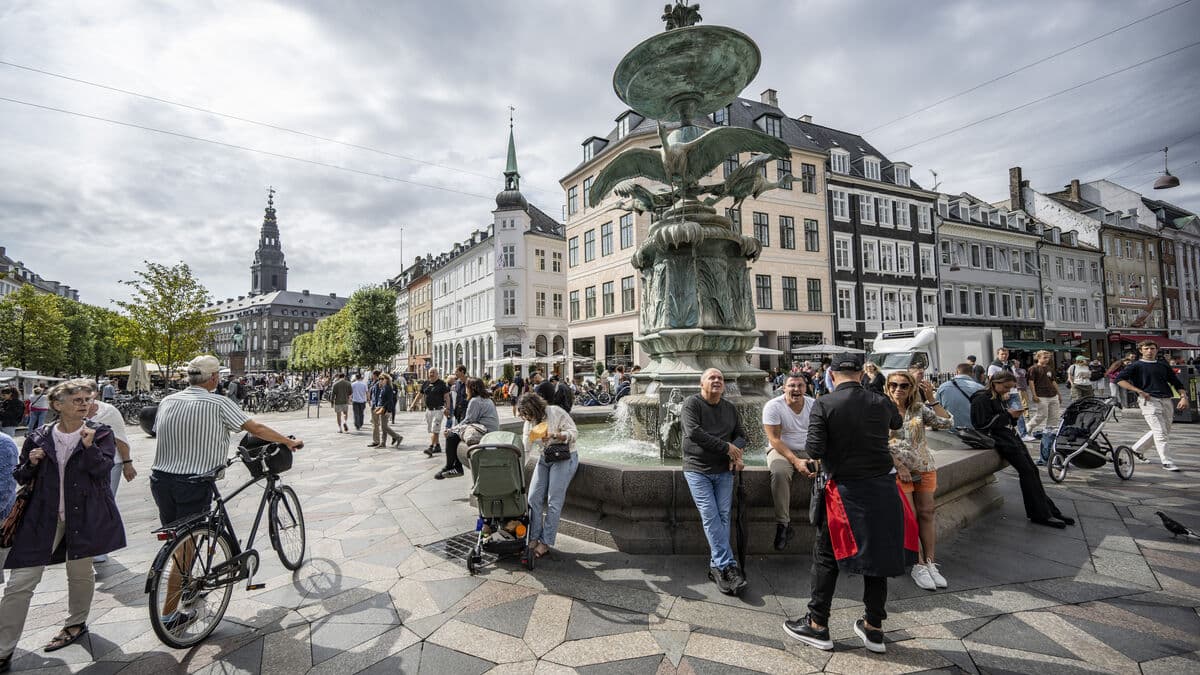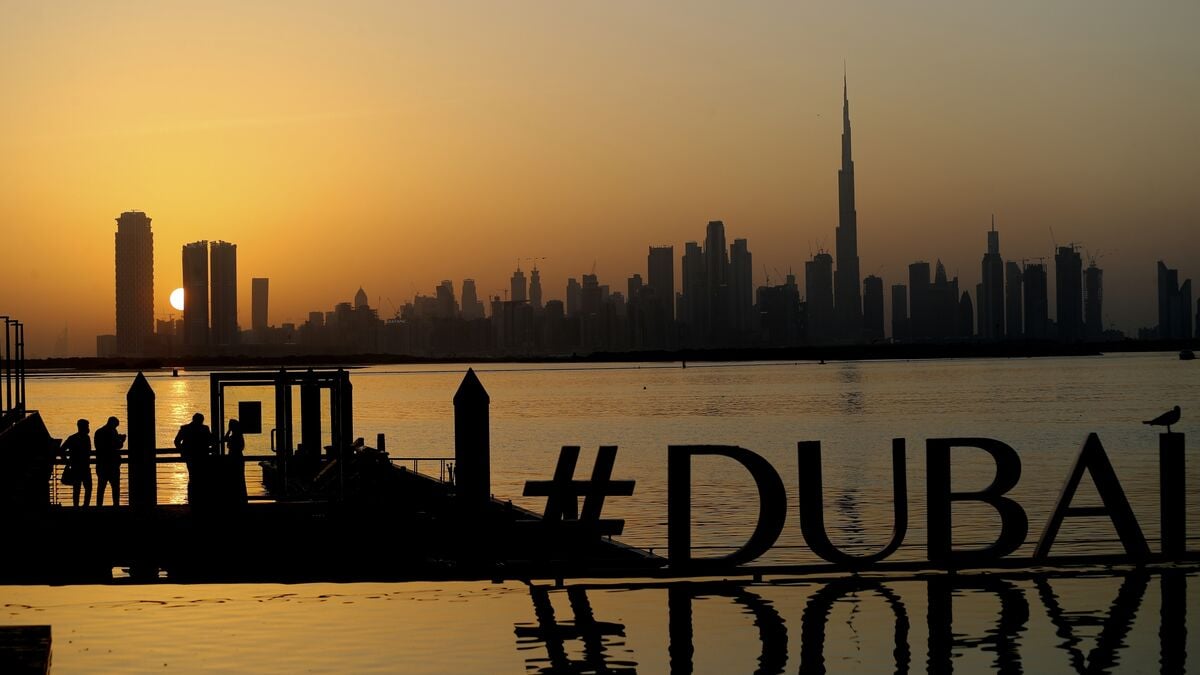
The major travel companies sell Dubai as a place with "beautiful beaches, impressive hotels and unbeatable shopping". Thailand is marketed as having "good food" and an "outstanding climate".
The descriptions are, of course, correct.
Risks exist
But what is not as clear is that the countries – which may serve as examples – are located in risk zones, where conflicts can quickly flare up.
Even though the Ministry of Foreign Affairs has not issued any travel advice, you must be generally risk-aware, as this applies to all destinations. Things can happen that are not linked to any current conflict, such as sanitation problems or a natural disaster, says security expert Fredrik Janse from SRS Security.
He continues:
You have to be flexible and vigilant. The idea is that if you go on a vacation, you have to make sure you don't become a victim. You have to be prepared for the risks and you have to be able to handle them. You can't just go away, relax and feel like you have no responsibility. The overall responsibility lies with you.
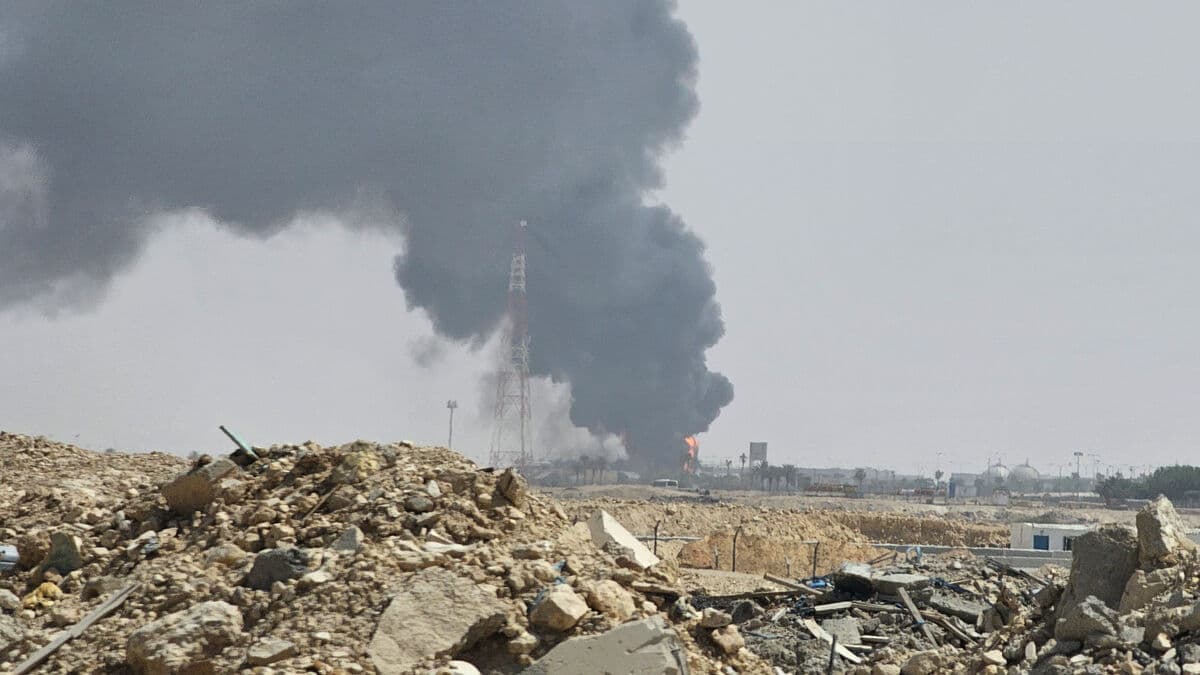
Following the US and Israeli attacks on Iran, many Swedes have been stranded in various locations in the Middle East as airspace has been closed. Fredrik Janse believes that as a traveler you must be prepared for something like this to happen.
You shouldn't have tight time frames, for example having to go home on a certain day. You have to avoid putting yourself in difficult situations.
“Outright irresponsible”
Andreas Sandin is the Swedish manager at travel insurance company Ergo, which offers security advice, among other things. He says that the number of customers contacting him with questions about security has increased significantly in recent years.
Absolutely. People are thinking more, they are reaching out and wanting to talk and get advice before traveling. People want to talk about things like this on the phone, they don't rely on digital channels when it comes to difficult questions.
Both Fredrik Janse and Andreas Sandin recommend that you carefully read the Swedish Foreign Ministry's travel information before a holiday.
Going to countries that the Ministry of Foreign Affairs advises against is directly irresponsible. Then you make a decision that you have to stick to. But even countries that have no direct advice can be risky, like Mexico. There are large popular tourist areas, but nearby there is a war with the drug cartels. It can easily spill over, says Fredrik Janse.