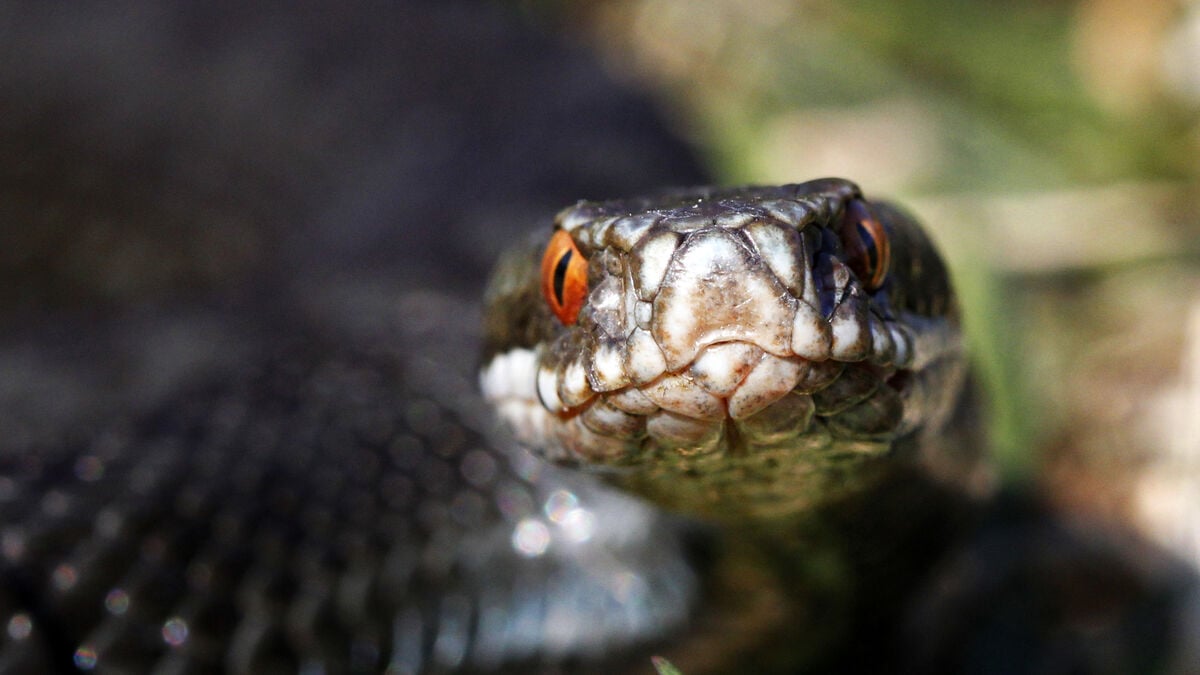
In May, Evidensia reported an increase of just over 63 percent in the number of snakebitten dogs and cats compared to the same period last year.
A common factor that seems to have an impact is the weather. This year, May was much warmer and sunnier locally than last year. The heat and sun mean that pets and their owners are more active outside - and may encounter more snakes.
Antidote can be life-saving
According to chief veterinarian Marlene Areskog, the snakes appeared to be more venomous early this spring, as the relative number of cases requiring intensive care and snake antivenom rose significantly already in April.
She emphasizes that access to antidote, which in many cases is life-saving for the animals, is limited for June due to the unexpected demand earlier in the spring.
"We have it in stock at our clinics and have made a geographical distribution to ensure that you can get access to specialist care and serum at the major hospitals," says Areskog.
However, it will not be available in unlimited quantities, she says.
"If the trend continues, you may need to be referred to another clinic that has snake serum in-house."
"Go straight to the vet"
Pets are most often bitten on the paw or nose. A bite from a viper can be life-threatening; severity varies and depends on several factors, not just where the bite is located.
"My experience is that dogs bitten on the paws and legs are more likely to get really sick, but even those bitten on the nose can get really sick."
If the accident has occurred, Areskog emphasizes that it is important to keep the animal still, carry it home and immediately seek veterinary attention.
"As a preventative measure, of course, try to keep the dog under supervision, on a leash in the forest and on the ground, and watch what it does."
Although cats generally fare better, bites can be life-threatening for them too. According to new statistics from Agria animal insurance, cats are more exposed. During the full year of 2025, there were 539 cases of viper bites in cats and 278 in dogs, among those who used their insurance to receive treatment.
"When cats are bitten by a viper, it is usually in the front paws, which is particularly risky because the venom can quickly spread throughout the body when the cat moves or rests on the leg," says Lotta Möller Koivisto, chief veterinarian at Agria, in a press release.
The viper, Scandinavia's only wild venomous snake, is found throughout Sweden, even north of the Arctic Circle, but not in the far north and on the highest mountain peaks.
It is characterized by its zigzag pattern along its back, which is black in males and dark brown in females. The base color is gray-brown or reddish-brown, but completely black individuals occur. The species usually grows up to 65 centimeters in length, but the female can be longer.
The viper thrives in areas such as bogs, heather heaths, forest edges, roadsides, and meadow and field edges, but avoids dense forests as it depends on places where the sun's rays reach.
In mild and warm springs, the viper can appear as early as February, otherwise usually in March–April.
If you are bitten by a viper, you should always seek medical attention and a bitten pet should always be checked by a veterinarian.
Sources: SLU Species Data Bank and Animal Care Guide.