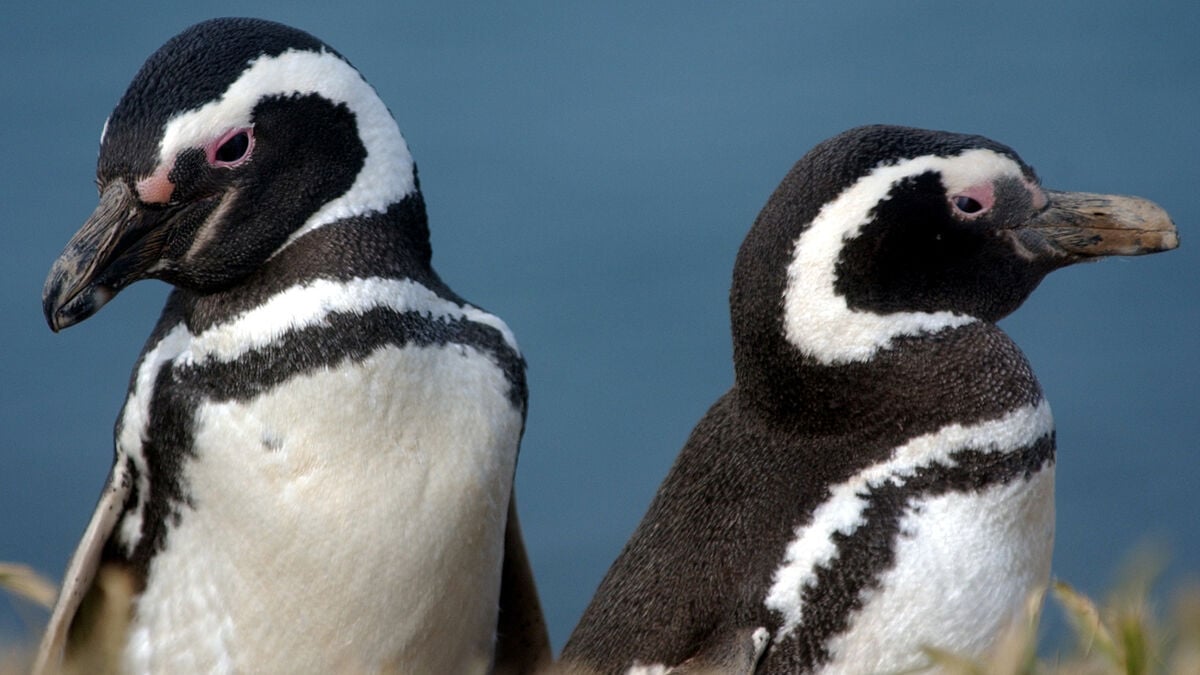
In an experiment, 54 Magellanic penguins were given foot rings that detect chemicals for a few days during the 2022–2024 breeding seasons.
While going about their normal lives, the rings collected chemicals from the water, air and surfaces the birds came into contact with.
When the samples were sent for analysis, PFAS was found in more than 90 percent of the foot rings. The analyses showed both older contaminants and newer chemicals that have replaced phased-out PFAS.
The findings worry scientists, who fear that even newer PFAS, designed to be safer, can still spread and pose a risk to wildlife.
The study is published in the journal Earth: Environmental Sustainability.