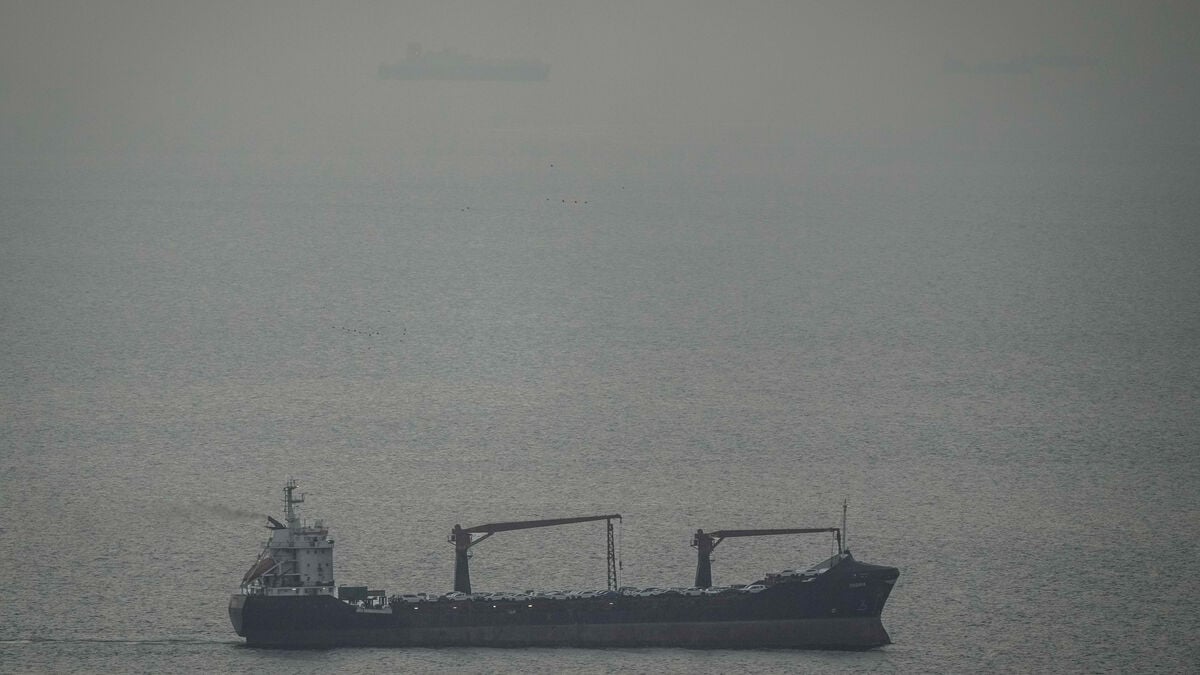
Shipping traffic through the world's most important oil transportation route "should be monitored and coordinated" by the two countries, said Kazem Gharibabadi, Iran's deputy minister for legal and international affairs, according to a translation of the IRNA report.
"Of course, these measures will not entail restrictions, but are intended to facilitate and ensure safe passage and provide better services to ships passing through this route," he was reported to have said.
Stock indexes in the US and Europe, which fell sharply on Thursday after President Donald Trump signaled in a speech to the nation that the war with Iran will continue for weeks to come, suddenly turned upward after the news.
Oil prices, which had risen sharply after Trump's speech, instead fell back slightly from previous high levels.
American WTI oil fell from just over $112 per barrel to $111.
North Sea oil dropped from $109 to $107 per barrel.
Traffic through the strait, where about a fifth of the world's oil normally passes, has almost completely ceased since the US and Israel's war with Iran began on February 28.
Iran's countermeasures have caused oil prices to soar and various countries to plan for rationing and other measures.