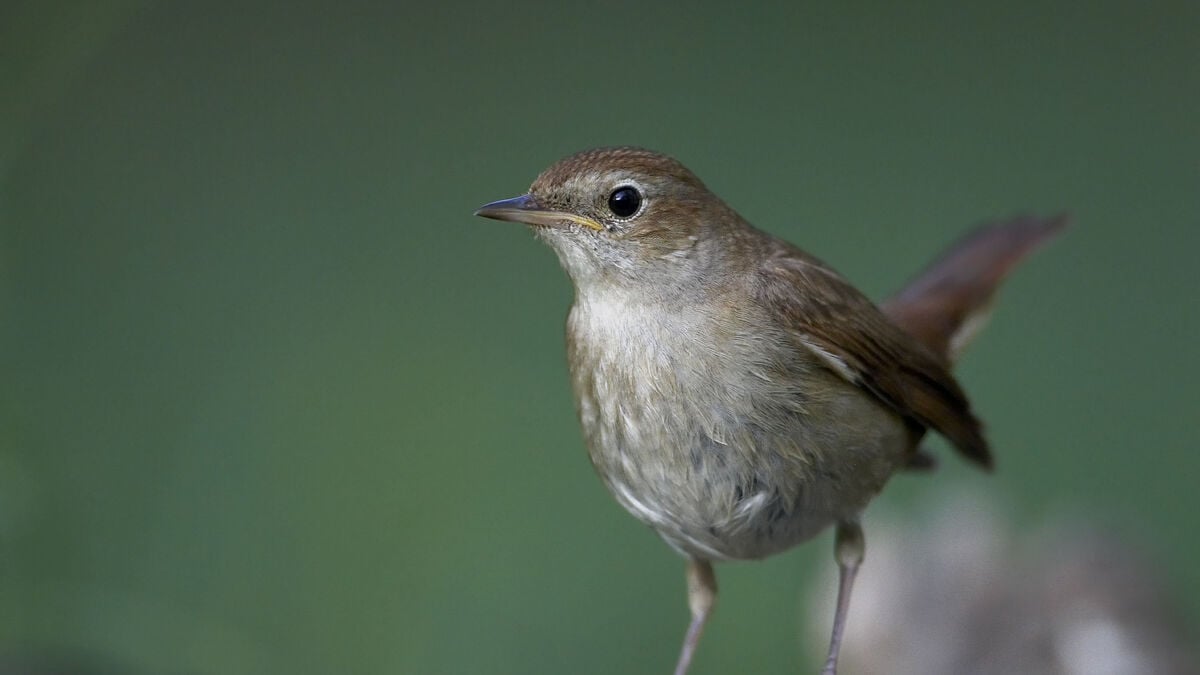
Nightingales brighten up the Swedish summer, but they spend the winter months mainly in southeast Africa, which requires them to travel across the Mediterranean and the Sahara.
Using new miniature sensor technology, scientists have tracked ten nightingales. Intensive flights of four to five nights in a row alternate with total daytime rest. During the stops in the desert, they cannot replenish energy, but must survive on reserves they built up in advance.
"These birds don't take chances. The whole strategy is based on them having recharged enough energy before they begin the most inhospitable parts of the journey," says biology professor Anders Hedenström in a press release.