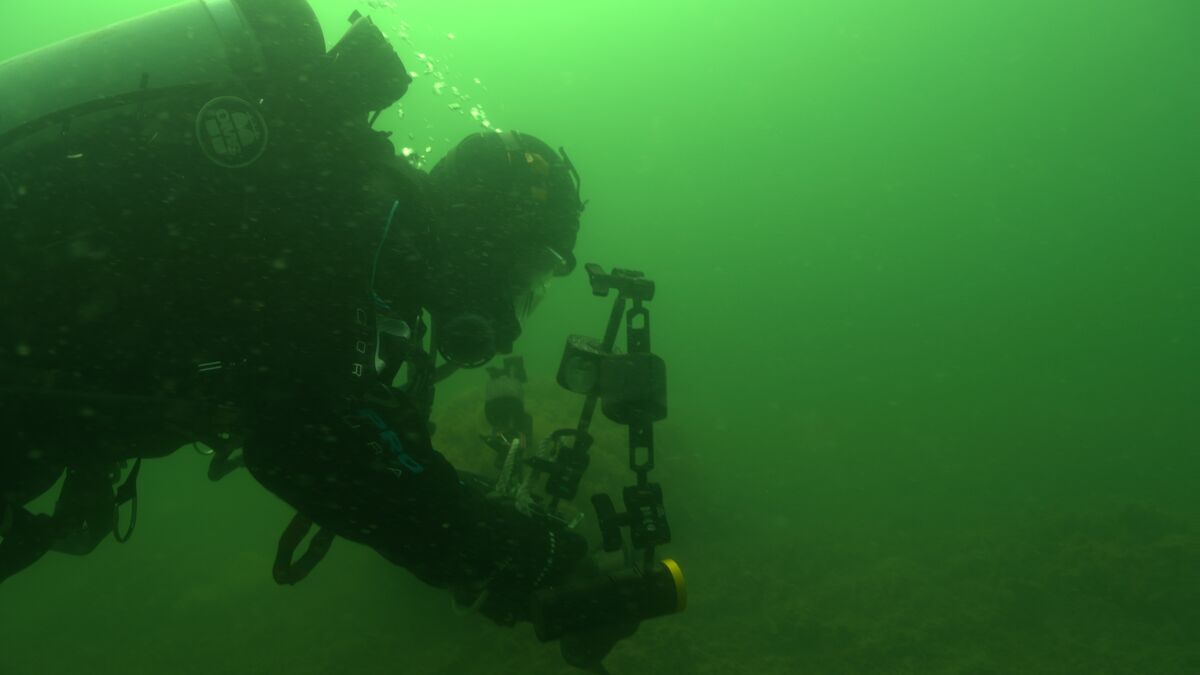
The frigate was on its way to the West Indian island of Saint Thomas with convicts on board in 1683 when the ship was taken over by mutineers. The ship turned back at the Azores and later sank in the archipelago north of Gothenburg.
Marine archaeologists hope to gain new insights into the ship's construction and find personal items when the wreck is re-examined, while also securing it for the future.
"With a protective covering later this year, we will slow down the degradation and preserve this dark but important history, so that it does not disappear to the bottom of the sea," says museum inspector Andreas Kallmeyer Bloch in a press release from the National Museum of Denmark.
The work is carried out in collaboration with Bohuslän Museum.