“Our 21st sanctions package targets the sectors that have the greatest impact: energy, financial services, crypto and trade,” EU Council President António Costa writes on X.
However, the package is significantly weakened compared with the original proposal, the news site Euractiv writes after the announcement.
During negotiations among the EU ambassadors, several countries sought exceptions to protect their own interests, which has made the talks significantly longer than planned.
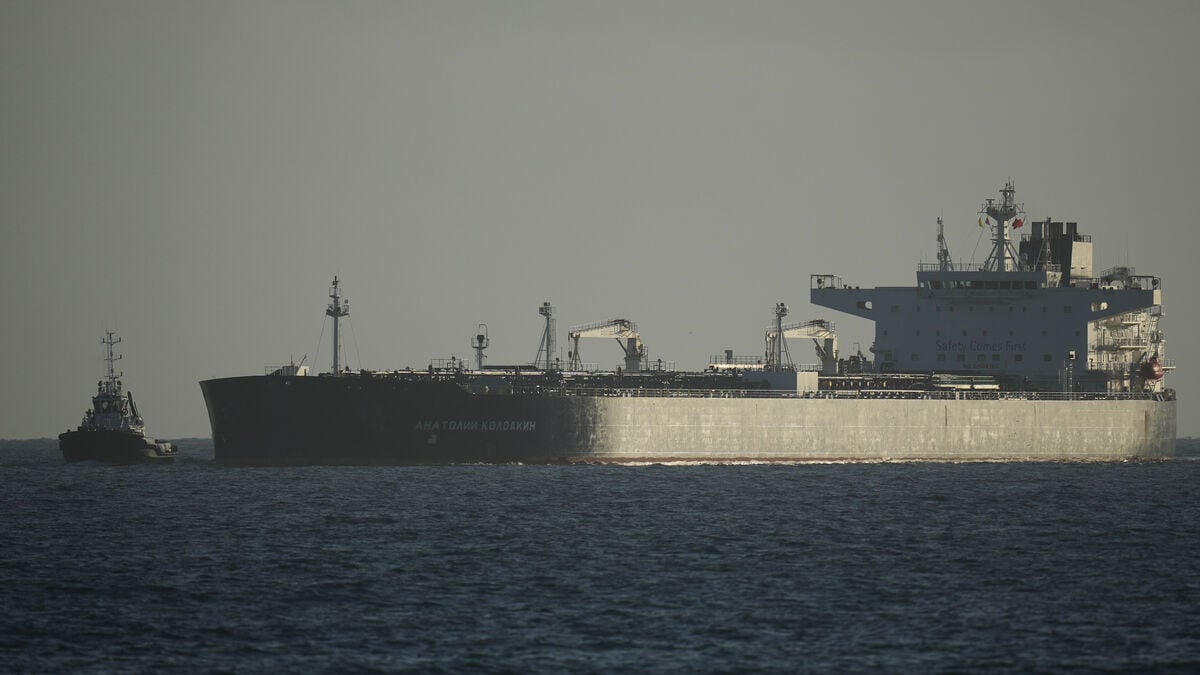
Greece blocked an earlier proposal because of a ban on EU-based companies transporting Russian gas to consumers outside the EU, which would have hit the Greek shipping industry hard.
Exception for Greece
Diplomatic sources told AFP that Greece has been granted an exemption in the approved package. According to the compromise hammered out, a renewable one-year exemption will allow companies to transport Russian gas to third countries. The agreement will be reviewed annually.
The EU has also agreed to freeze the price cap on Russian oil at 44.10 US dollars per barrel, equivalent to more than 425 Swedish kronor, for one year. Otherwise, the price risked rising to 58 dollars.
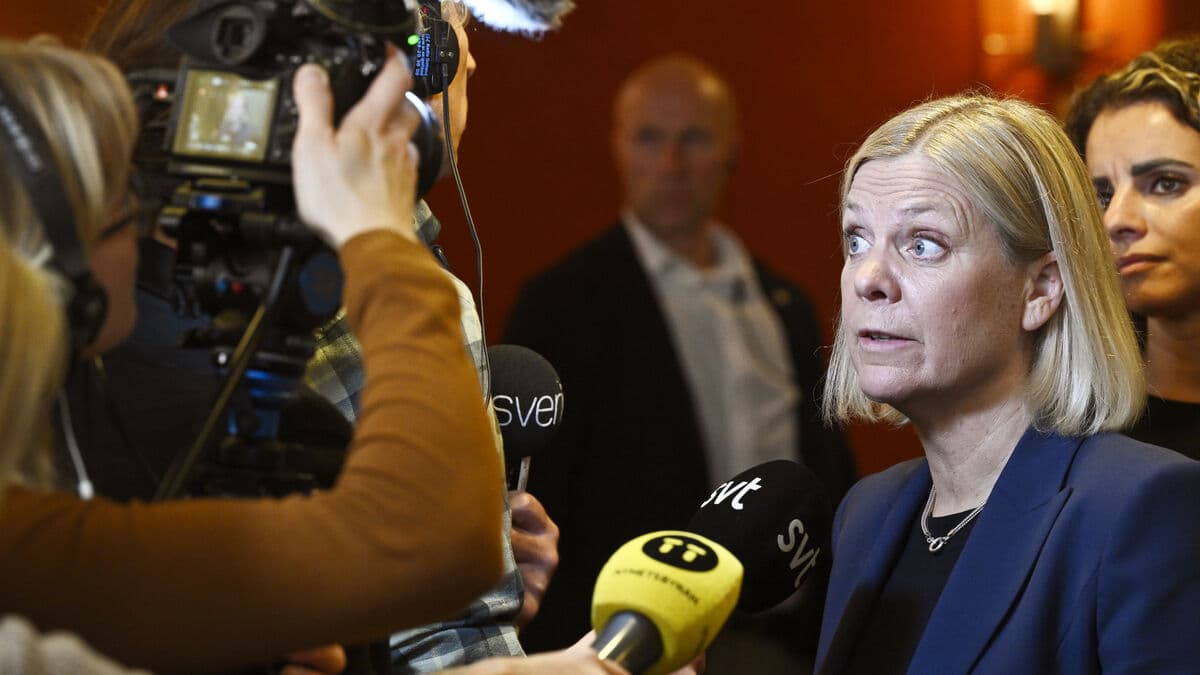
"It is particularly positive that the EU member states have agreed to freeze the so-called oil price ceiling at the current low level, so that Russia is not allowed to earn large sums from rising global energy prices," Foreign Minister Maria Malmer Stenergard (M) writes in a statement to TT.
She writes that she is also frustrated that Sweden and other countries were forced to choose between adopting the package in a weakened form - or that the package would be stopped completely.
“Energy revenues are at the heart of Russia’s financing of the war, and the costs to Europe pale in comparison to the price the Ukrainian people are paying every day.”
250 blacklisted
The Baltic states had requested a ban on Russian soldiers entering the EU, but the proposal was met with protests from France, Italy and Greece. The hammered-out proposal severely limits such a ban, according to a diplomatic source, Euractiv reports.
The new package also targets Moscow’s financial and crypto sectors and blacklists many more Russian officials during the war. The measures target around 250 individuals and entities.
The sanctions still need to be formally approved by all 27 member states.